
Cefalù: a millennia-old history between sea and rock
From ancient origins to the great Norman era, the story of a city that symbolizes Sicily
Cefalù - Program and guide: experience authentic Sicily
Cefalù: the millennia-old history of a city between sea, rock, and civilization
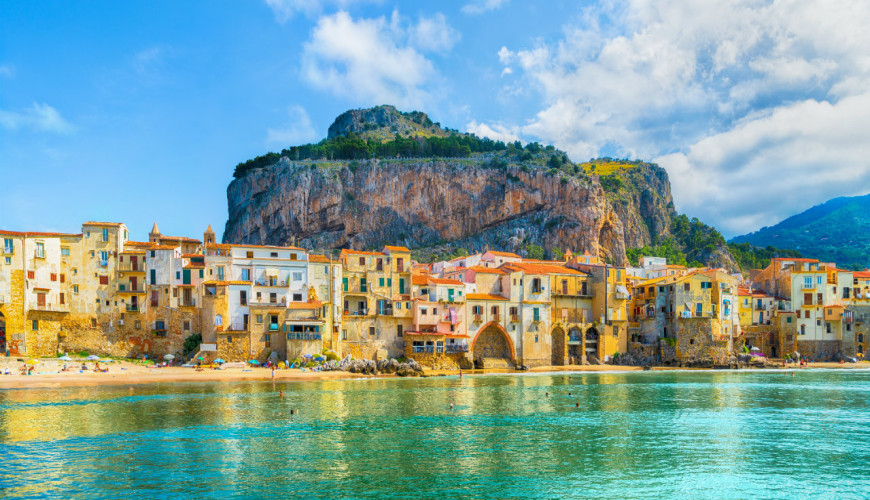
Cefalù is one of the most fascinating cities in northern Sicily, suspended between the Tyrrhenian Sea and the imposing Rocca that rises above it. Its layered and complex history spans millennia of Mediterranean civilizations, leaving visible traces in the urban fabric, monuments, and cultural identity of the city.
Cefalù is not only an internationally renowned seaside destination, but also a place where myth, history, and architecture coexist in a rare balance.
Ancient origins: from prehistoric peoples to the Greeks
The earliest evidence of human settlements in the Cefalù area dates back to prehistoric times, when local populations found natural refuge on the Rocca, taking advantage of its elevated and defensive position.
In the Greek period, the city was known as Kephaloidion, a term that refers to the shape of the Rocca, similar to a head (kephalé).
The Roman age: Cephaloedium
With the Roman conquest of Sicily, Cefalù became Cephaloedium.
The Byzantine and Arab period: defense and transformation
After the fall of the Western Roman Empire, Cefalù went through a complex phase under Byzantine rule, during which the population returned to taking refuge mainly on the Rocca to defend itself from incursions.
With the arrival of the Arabs in the 9th century, the city underwent new transformations. The Arabs introduced agricultural innovations and new water systems.
The Norman age: the birth of monumental Cefalù
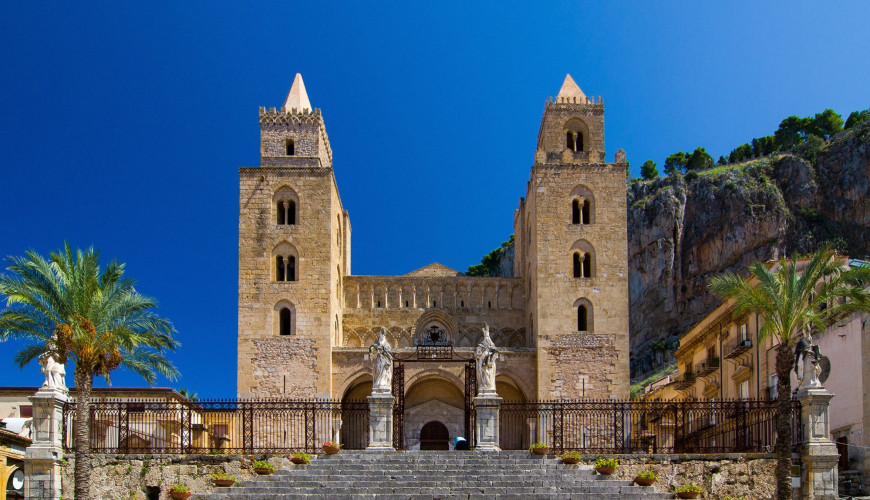
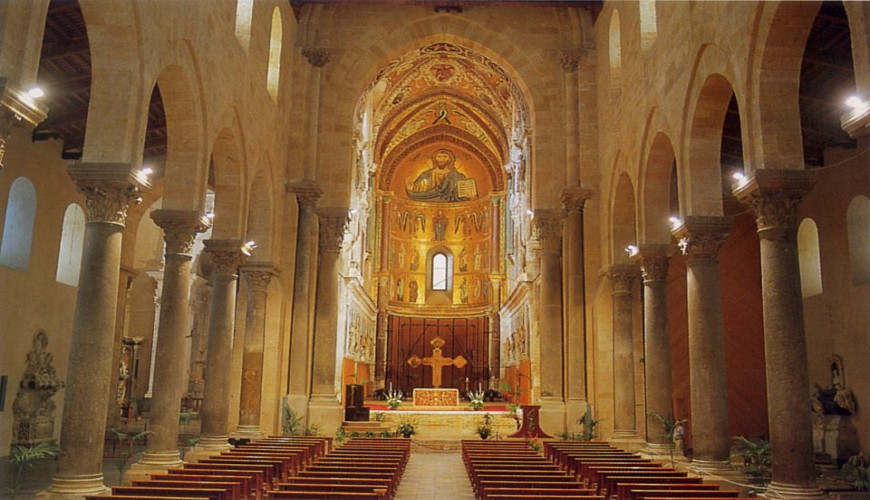
The decisive moment in Cefalù’s history coincides with Norman rule in the 12th century. It was King Roger II who vowed to have a great church built after surviving a storm at sea. Thus the Cathedral of Cefalù was born, one of the great masterpieces of Norman architecture in Sicily.
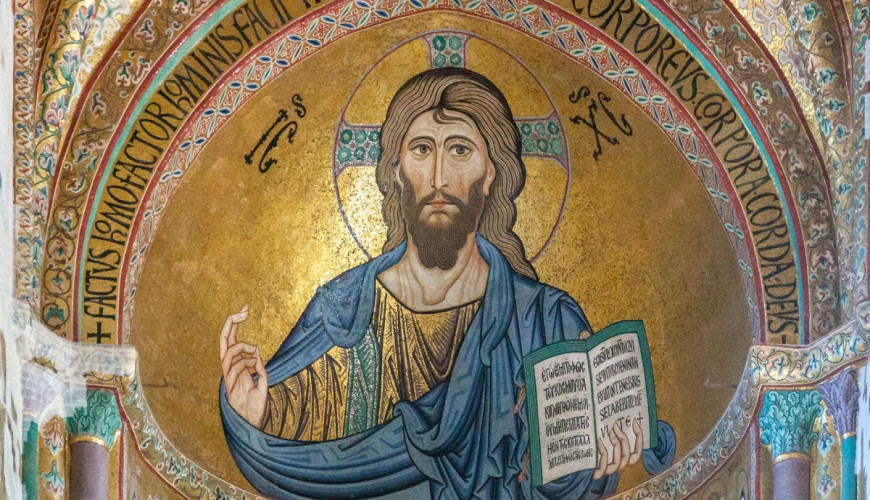
The Cathedral, with its Byzantine mosaics and the imposing Christ Pantocrator, still represents today the symbol of the fusion of Norman, Byzantine, and Latin culture, which characterized medieval Sicily.
Cefalù between the 19th and 20th centuries: rediscovery and tourism
In the 20th century, with the development of seaside tourism, Cefalù began to transform into one of the most appreciated destinations in Sicily.
Cefalù today: a living heritage between history and identity
Today Cefalù is recognized as a city of art and sea, capable of combining tourist appeal and historical depth. Its Cathedral is part of the UNESCO World Heritage Site within the Arab-Norman itinerary of Sicily, while the historic center continues to tell, street after street, a millennia-old story.
Cefalù is not just a place to visit, but a complete cultural experience: a city that has crossed time without losing its soul, remaining faithful to its Mediterranean vocation and its extraordinary historical stratification.
What to see
Cefalù is compact but full of must-see places. Here is what not to miss:
- Cefalù Cathedral (UNESCO): Byzantine mosaics and Christ Pantocrator
- The Rocca: panoramic trekking with views of the Tyrrhenian coast
- Historic Center: medieval alleyways, artisan shops, and typical restaurants
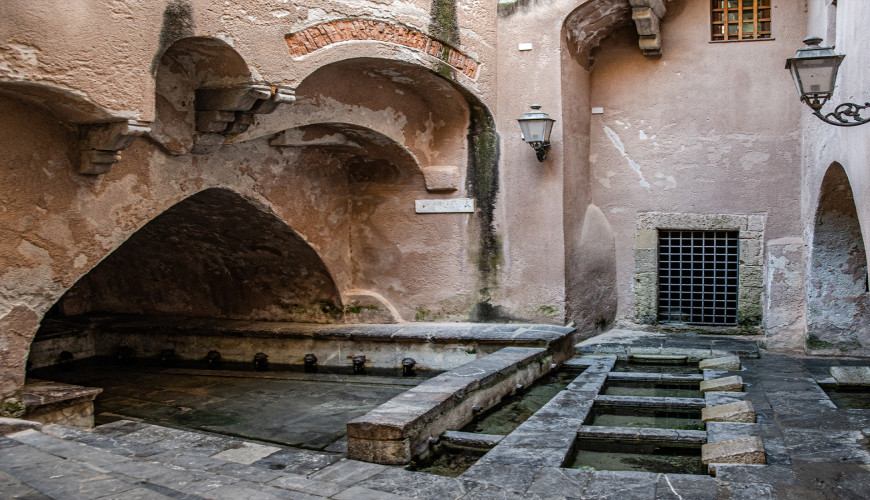
- Medieval Wash House: a structure carved into the rock, unique in its kind
- Lungomare Giuseppe Giardina: perfect for walks and relaxation
- Cefalù Beach: golden sand just a few steps from the center
- Old Harbor: authentic views and local atmosphere
Perfect for those who want to Visit Cefalù by combining culture, sea, and authenticity.
Capo Marchiafava Bastion: an ancient fortification overlooking the open sea, ideal for admiring the sunset away from the crowds.
Historic Center:a maze of medieval alleyways, artisan shops, and typical restaurants. The vibrant and authentic heart of Cefalù.
10 things to eat in Cefalù
Discovering Cefalù also means enjoying its cuisine, an authentic mix of Sicilian tradition and Mediterranean flavors. Here is what not to miss:
- Pasta with sardines: an iconic dish with wild fennel, raisins, and pine nuts
- Sarde a beccafico: flavorful sardine rolls with breadcrumbs, citrus, and dried fruit
- Sicilian swordfish: with cherry tomatoes, capers, and olives
- Fried seafood: fresh and crispy, typical along the seafront
- Pasta alla Norma: fried eggplant, tomato, and salted ricotta
- Eggplant caponata: the perfect balance between sweet and sour
- Pane cunzato: bread seasoned with oil, anchovies, tomato, and cheese
- Arancini: stuffed fried rice balls, classic or gourmet
- Sicilian cannoli: crispy shells filled with fresh ricotta
- Granita with brioche: perfect for breakfast or a refreshing break
A journey through local flavors is an essential part of the experience for those who want to enjoy Cefalù authentically.
How to get there
Cefalù is easy to reach, but choosing the right means of transport completely changes the experience.
- From Palermo (Falcone-Borsellino Airport): about 1 hour by car
- From Catania: about 2 hours and 15 minutes
- Train: available, but with limited schedules for exploring the surrounding area
👉 Car rental throughout Sicily is the most effective solution:
- No waiting times or schedule constraints
- The possibility to also visit the Madonie, Castelbuono, and Palermo
- Greater comfort, especially for families or groups
If you are planning to visit Sicily in 2027, a car allows you to optimize time and itineraries, turning every journey into part of the travel experience.
Where to park and practical tips
The historic center of Cefalù is subject to a limited traffic zone, so it is important to plan ahead.
Recommended parking areas:
- Lungomare area
- Port area
- Parking areas outside the center within walking distance
Useful tips:
- Arrive early during the summer months or on weekends
- Always check the limited traffic zone time slots
- Choose parking outside the center to avoid traffic
With a rental car, you can choose the most convenient options and move around independently without stress.
FAQ
1. How do I get to Cefalù by car?
From Palermo via the A20 in about 1 hour. From Catania via the A19 + A20 in about 2 hours.
2. What is the best time to Visit Cefalù?
Spring and autumn offer the ideal climate and fewer crowds. Summer is perfect for the sea.
3. Is renting a car really worth it?
Yes, it is the best choice for those who want to explore nearby areas without limitations.
4. Can Cefalù be visited in one day?
Yes, but for a complete experience, at least 2 days are recommended.
5. Where is the best place to stay?
The historic center for an authentic atmosphere, the seafront for convenience and beach access.
How TDS can help you visit Cefalù
Visiting Cefalù requires comfortable and flexible mobility, especially for those arriving from Sicilian airports or wishing to explore the area without time constraints. TDS Transfer and TDS Rent offer professional solutions designed to support travelers at every stage of the journey.
With TDS Transfer Cefalù, we provide comfortable vehicles and professional drivers for private transfers, customized excursions, business trips, and tailor-made tourist services. Each transfer is designed to offer safety, discretion, and maximum comfort.
TDS Rent Cefalù offers flexible car rental solutions ideal for exploring Cefalù and Sicily in total freedom. Our vehicles are modern, reliable, and suitable for every travel need, both for short stays and longer holidays.
With TDS Transfer, travelers can reach Cefalù directly and stress-free thanks to private transfers from airports and major cities such as Palermo, Catania, or Trapani. The service guarantees punctuality, comfort, and personalized assistance, ideal for those traveling as a couple, with family, or for business.
With TDS Rent, on the other hand, it is possible to rent a car to visit Cefalù independently, exploring not only the historic center and beaches, but also the villages of the Madonie, the inland areas, and the Tyrrhenian coast. A perfect option for those who want freedom of movement and a complete travel experience.
Choosing TDS means relying on an experienced local operator capable of turning travel into an integral part of the visit. Concrete support for experiencing Cefalù in a simple, safe, and authentic way.
CTA – Book now
👉 Request a quote now for car rental throughout Sicily and organize your trip to Cefalù without limits.
Move freely, discover more, experience every stop to the fullest.