
Palermo: Crossroads of History, Art, and Culture in the Heart of Sicily
Discover the city where centuries of history merge into mosaics, palaces, and unique traditions
Palermo: Crossroads of History, Art, and Culture in the Heart of Sicily
Palermo, the capital of Sicily, is a city with a millennia-long history and an extraordinarily rich culture. Founded by the Phoenicians around the 8th century BC as Ziz, the city has experienced flourishing periods and dominations that shaped its identity: from the Greeks to the Romans, from the Byzantines to the Arabs, from the Normans to the Spanish, up to modern Italy. Each era left visible traces in urban planning, art, architecture, and local traditions.
Origins and Antiquity
Palermo began as a strategic Phoenician port, a meeting point between the western and eastern Mediterranean. The Phoenicians were the first to establish the urban core and develop maritime trade. Later, the Greeks knew it as a passage point for their colonies, while under the Romans – called Panormus – the city became a thriving colony with a forum, baths, and roads shaping its urban structure.
Arab Influence (827–1072)
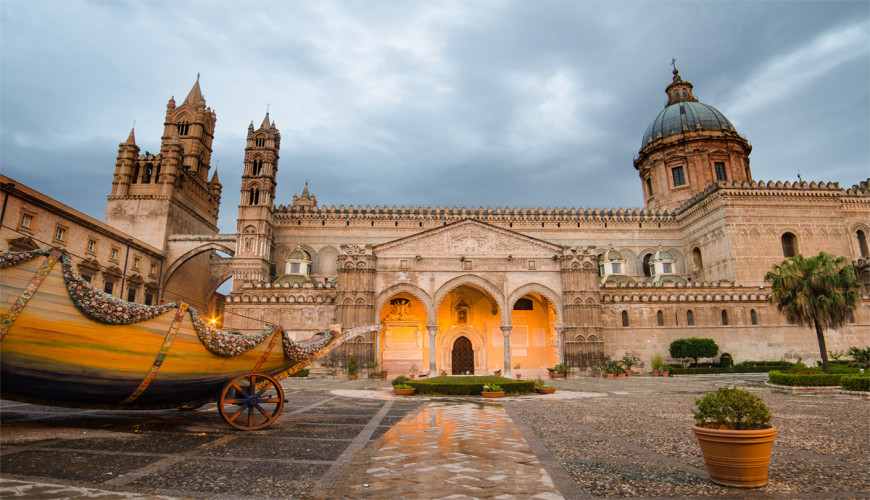
The arrival of the Arabs marked a true cultural and urban revolution. Palermo became the capital of the Emirate of Sicily and experienced extraordinary economic and artistic prosperity. The Arabs introduced irrigation techniques, new crops, public baths, and vibrant markets. The city developed winding streets and characteristic neighborhoods, many of which still retain the charm of the Islamic past. The Norman Palace and Palermo Cathedral feature Arabic architectural influences, an example of a unique cultural fusion.
Norman and Hohenstaufen Era (1072–1266)
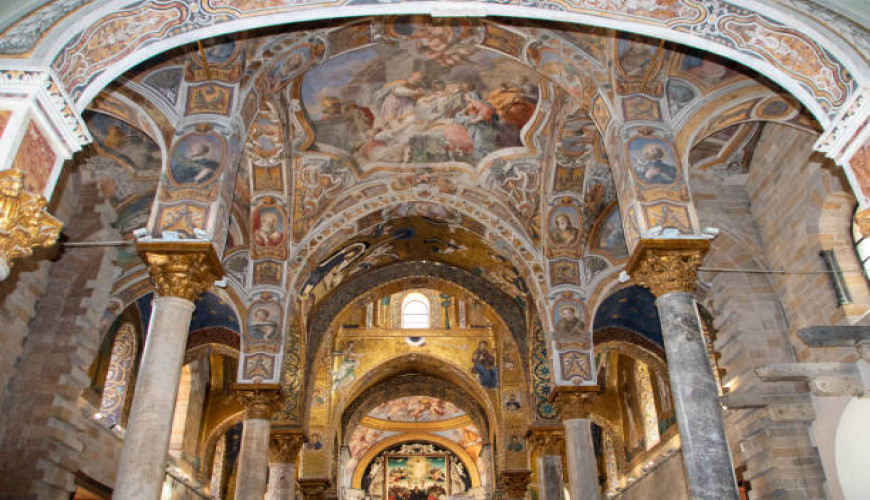
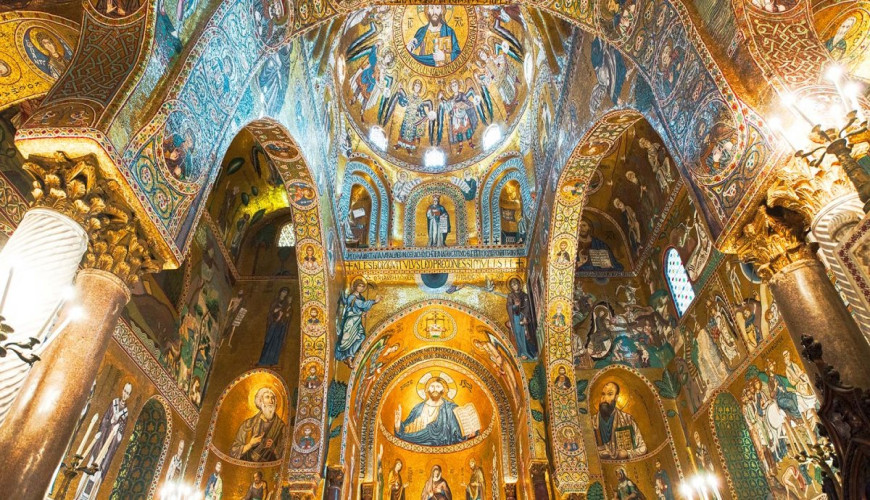
Under the Normans, Palermo became one of the most important centers of the Mediterranean. The Norman dynasty consolidated Christian power without erasing Arab traditions: this cultural syncretism is evident in the construction of the Palatine Chapel, a masterpiece of Byzantine mosaics and Arabic decorations. Norman art in Palermo blends Latin, Byzantine, and Islamic styles, creating a unique and extraordinary beauty. The Hohenstaufen period, under Frederick II, also left notable marks, with urban infrastructure expansion and the development of legal and literary culture.
Palermo under the Aragonese and Spanish (1300–1700)
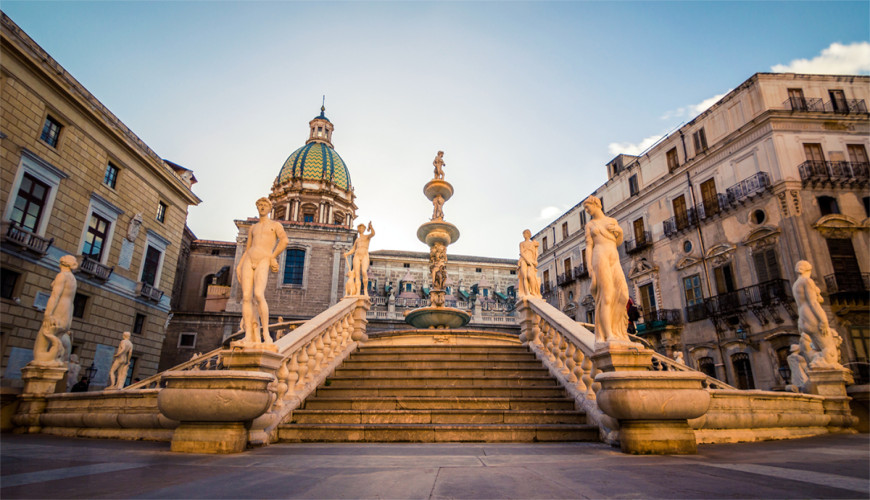
During Aragonese and Spanish rule, Palermo consolidated its role as an administrative and commercial center. The city saw the construction of numerous noble palaces, Baroque churches, and monumental squares, such as Piazza Pretoria with its famous fountain. Artisan traditions also strengthened, particularly in wood and marble work and ceramics production. Spanish influences enriched the cuisine and popular festivals, many of which are still celebrated today.
Bourbon Palermo and the 19th Century
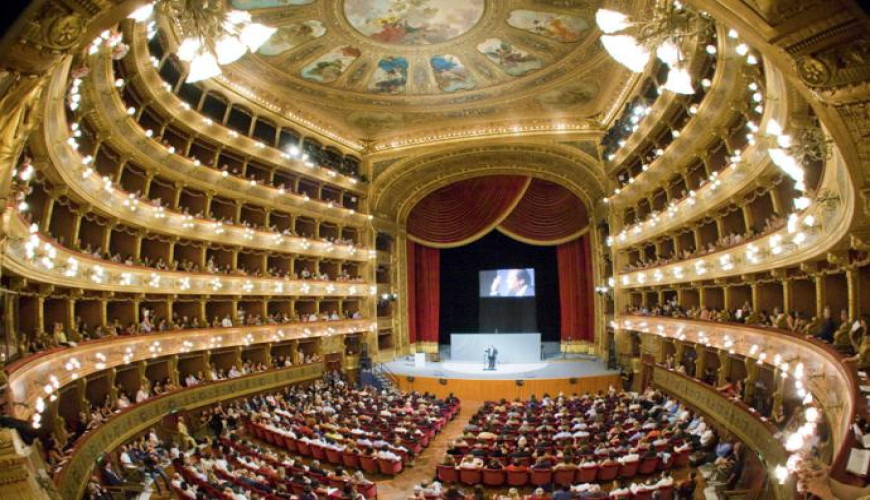
With the arrival of the Bourbons, Palermo experienced urban and social renewal. Theaters such as the Teatro Massimo, one of the largest in Europe, and new residential neighborhoods in Neoclassical and Liberty style were built. The 19th century was also a period of cultural ferment: Sicilian poets, writers, and intellectuals contributed to the birth of a modern city identity while maintaining strong ties to local traditions.
Art, Architecture, and Culture
Palermo is an open-air museum. Main cultural attractions include:
Norman Palace and Palatine Chapel – symbol of the fusion of Norman, Byzantine, and Arabic art.
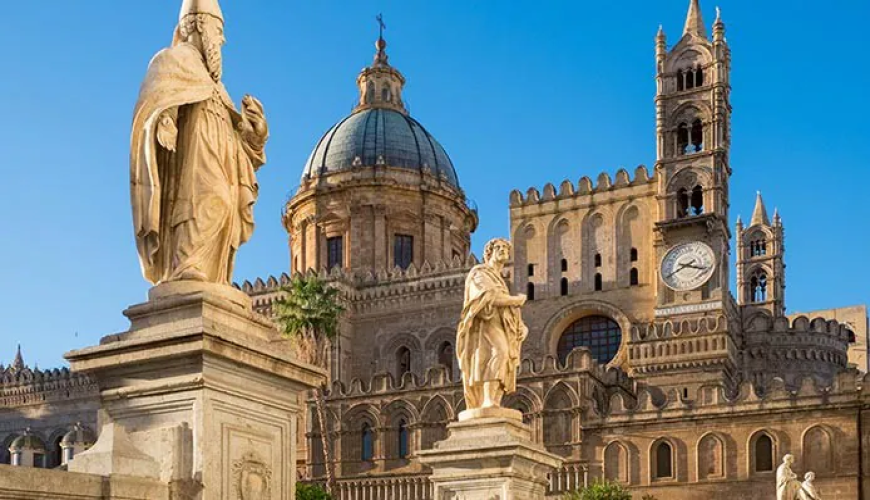
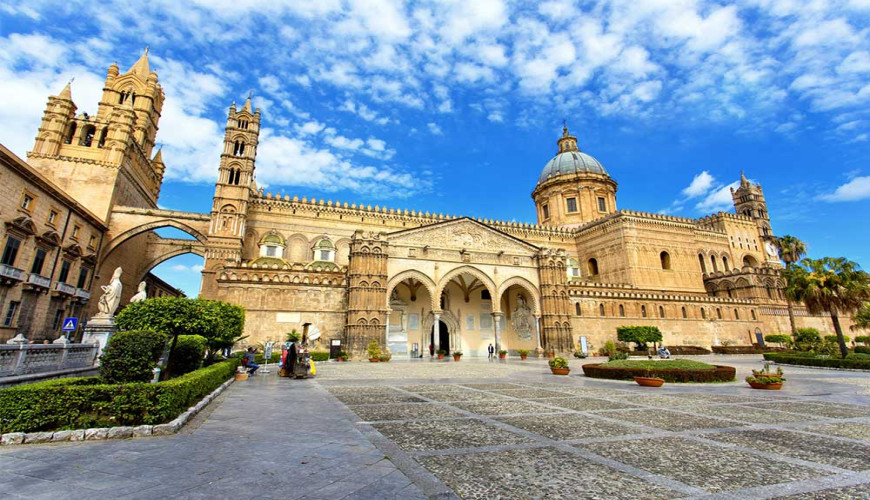
Palermo Cathedral – example of architectural layering between Gothic, Norman, Baroque, and Neoclassical styles.
Teatro Massimo – one of the most important opera houses in Europe.
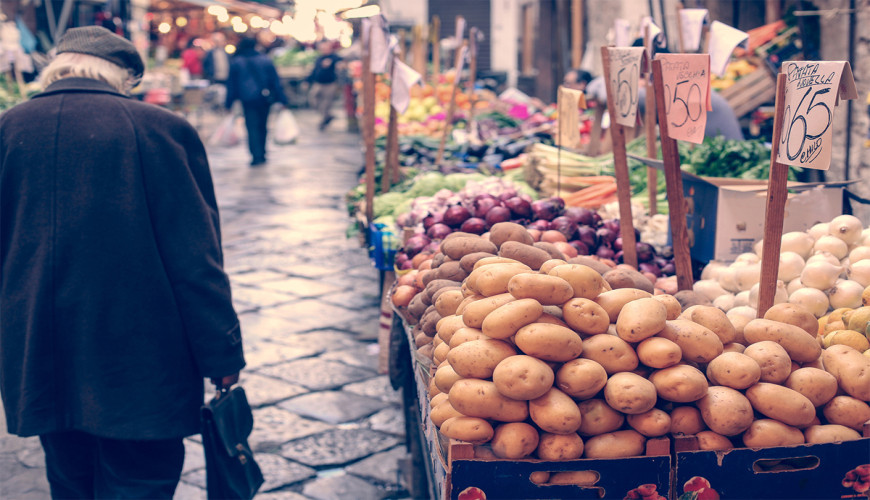
Historic markets – such as Ballarò, Vucciria, and Capo, centers of culinary and social tradition.
Baroque churches and noble palaces – witnesses of refined art and complex history.
Palermo’s popular culture is equally vibrant: religious festivals, culinary traditions, and popular celebrations tell the everyday story of the city. From the famous Feast of Saint Rosalia to typical dishes like arancine, panelle, and cannoli, Palermo is a mosaic of flavors and rituals reflecting the influence of the civilizations that inhabited it.
Art and Architecture: Millenary Stratification
Palermo is unique for its visible historical layering: each domination added a cultural and architectural layer, creating a rich and complex urban landscape.
Arab-Norman Art
The Arab-Norman period (11th–12th centuries) represents the peak of Palermo’s artistic syncretism. Monuments like the Norman Palace and Palatine Chapel combine Arab, Byzantine, and Norman elements: golden mosaics, horseshoe arches, geometric decorations, and Islamic-style floors create a unique harmony. Palermo Cathedral, with its successive transformations, preserves traces of this period, making it a city symbol.
Baroque and Renaissance
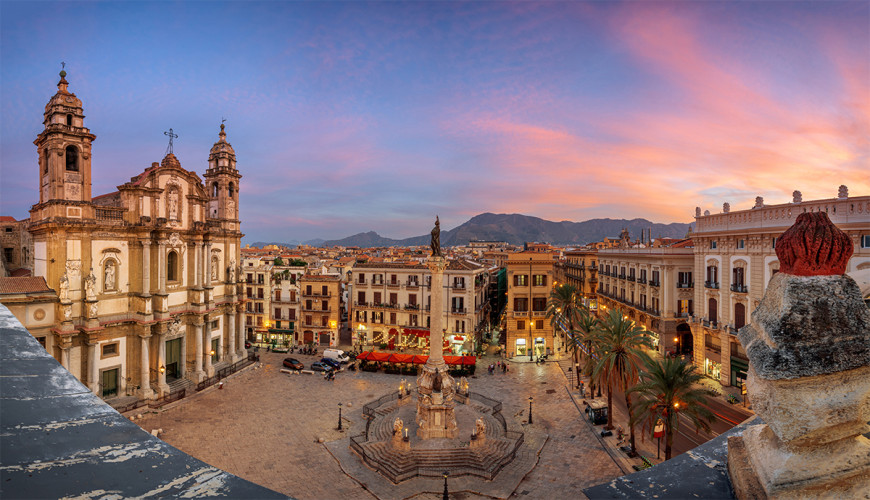
During the 17th and 18th centuries, Palermo saw the explosion of Sicilian Baroque, characterized by elaborate facades, stuccoes, and theatrical decorations. Churches like San Domenico and Santa Caterina d’Alessandria showcase the rich ornamentation typical of island Baroque. The Renaissance influenced noble palaces, such as Palazzo Abatellis (Regional Gallery of Sicily), which hosts 15th- and 16th-century masterpieces.
Modern and Liberty Architecture
Palermo is not only ancient: the 19th and 20th centuries left traces in Neoclassicism, with theaters like Teatro Massimo, and in Liberty style, visible in stately buildings on Via Libertà and historic districts. These eras completed the urban mosaic, giving the city a unique character where old and new coexist harmoniously.
Museums and Artistic Heritage
Palermo is a vibrant cultural center, with museums narrating its artistic and archaeological history:
Norman Palace and Palatine Chapel – masterpieces of mosaics and Arab-Norman architecture.
Regional Gallery of Sicily (Palazzo Abatellis) – houses Renaissance and Mannerist works.
Salinas Archaeological Museum – Greek and Roman collections narrating ancient Sicilian history.
Teatro Massimo – opera temple, one of Europe’s largest opera houses.
These sites not only preserve past art but remain hubs for cultural events, exhibitions, and performances.
Popular Culture and Traditions
Palermo’s culture goes beyond monuments: popular traditions, historic markets, and cuisine are integral to its identity.
Historic markets: Ballarò, Vucciria, and Capo, where history, commerce, and social life meet.
Religious festivals: the Feast of Saint Rosalia is an example of popular devotion and cultural spectacle.
Traditional cuisine: Palermo is famous for arancine, panelle, cannoli, sfincione, and pasta con le sarde, reflecting Arab, Spanish, and Sicilian influences.
50 Must-See Things in Palermo
1–10 | Monuments and Historic Architecture
Palermo Cathedral – Norman masterpiece with Arab, Byzantine, and Gothic influences
Norman Palace and Palatine Chapel – extraordinary Byzantine mosaics and royal history
Teatro Massimo – Italy’s largest opera house
Church of Martorana – iconic Byzantine mosaics
Church of San Giovanni degli Eremiti – red domes, Arab-Norman architecture
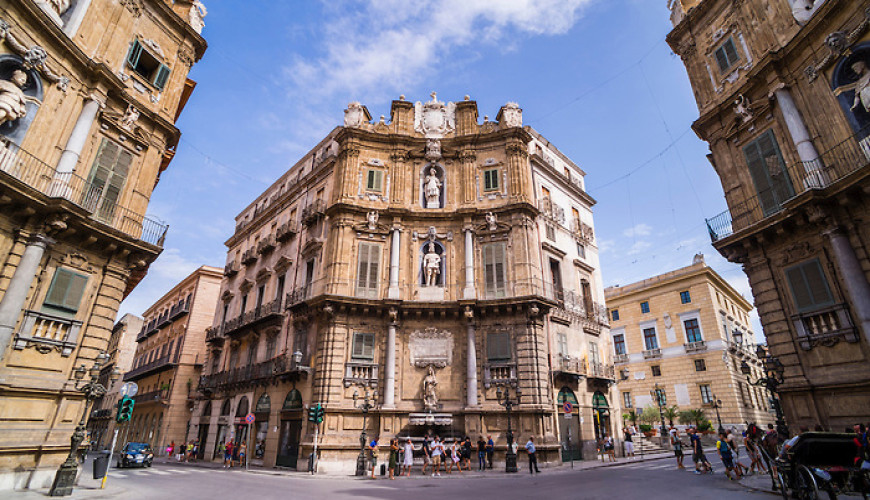
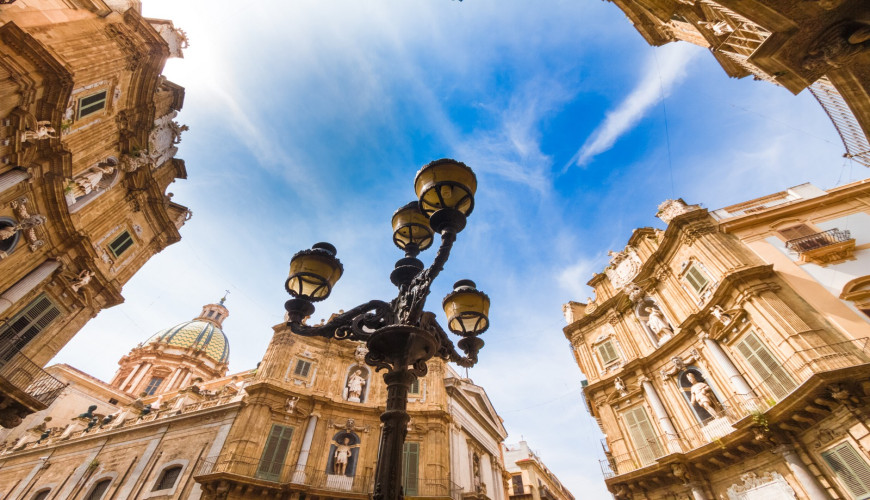
Quattro Canti – center of Palermo Baroque
Fontana Pretoria – monumental Renaissance fountain
Palazzo Chiaramonte-Steri – medieval architecture and inquisitorial history
Church of San Cataldo – Arab-Norman domes
Palazzo Alliata di Villafranca – noble residence with frescoed halls
11–20 | Churches and Sacred Places
Palatine Chapel – Byzantine mosaics and Norman decorations
Church of Santa Maria della Catena – Renaissance architecture
Church of San Domenico – Baroque monument
Church of San Giuseppe dei Teatini – Palermo Baroque
Church of Santa Maria degli Angeli – Sicilian Baroque masterpiece
Church of Sant’Agostino – Baroque art and architecture
Church of Gesù (Casa Professa) – monumental Baroque interiors
Church of Santa Caterina d’Alessandria – Baroque with remarkable cloister
Church of San Francesco d’Assisi all’Immacolata – art and spirituality
Church of San Matteo al Cassaro – historic city church
21–30 | Museums and Culture
Salinas Archaeological Museum – collections narrating Sicilian history
Modern Art Gallery (GAM) – 19th century to contemporary art
Palazzo Abatellis – Regional Gallery of Sicily
International Puppet Museum – “Teatro dei Pupi” tradition
Palermo Botanical Garden – scientific garden and green oasis
Museum of the Risorgimento – Italian and Sicilian history
Palazzo Sant’Elia – art, exhibitions, and architecture
Palermo Diocesan Museum – sacred art and religious history
Villa Malfitano Whitaker – historic villa with gardens and art
Cathedral Museum – treasures, relics, and cathedral history
31–40 | Markets and Popular Tradition
Ballarò Market – lively historic market with typical products
Vucciria Market – colorful and fascinating city market
Capo Market – street food and authentic atmosphere
Borgo Vecchio Market – Palermo tradition and daily life
Via Maqueda – walk among shops and history
Corso Vittorio Emanuele – main historic street
Via Roma – shopping and historic architecture
Piazza Marina – centuries-old trees and historic fountains
Giardino Garibaldi – green oasis with monumental plants
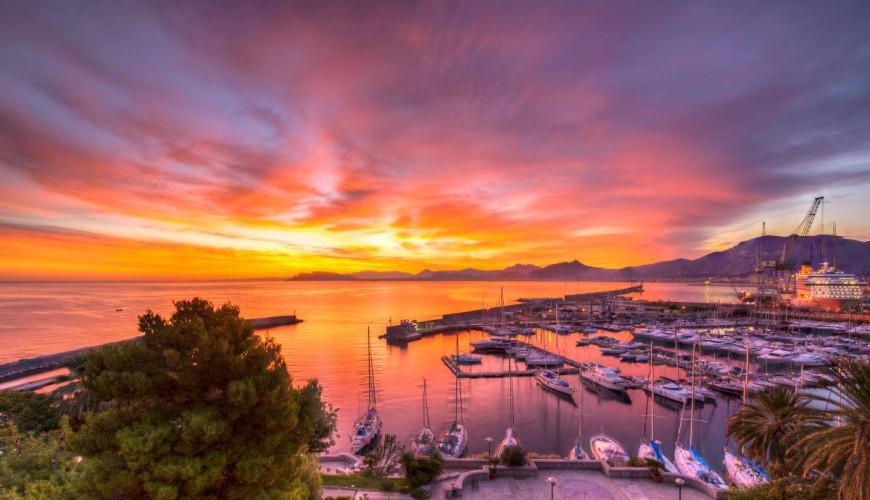
Foro Italico – seaside promenade and scenic walk
41–50 | Nature, Views, and Experiences
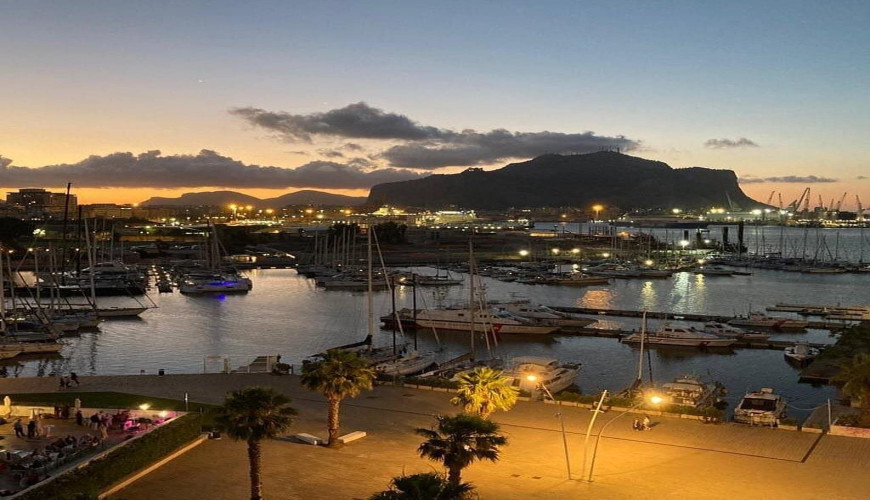
Monte Pellegrino and Sanctuary of Saint Rosalia – spectacular city and sea view
Favorita Park – largest urban park in Palermo
Mondello Beach – crystal-clear water and white sand
Parco Uditore – green area in the city center
English Garden – relaxation and walks
Villa Giulia – history and nature together
Piano delle Bambole – unique city panoramas
Baglio di Villa Filippina – culture and outdoor events
Music Pavilion at Villa Giulia – music and Liberty architecture
Walk from Quattro Canti to Piazza Pretoria – iconic tour combining history, art, and Baroque
Traditional Palermo Cuisine: History, Flavors, and Culture
Palermo, the capital of Sicily, is a true crossroads of cultures and civilizations. Its cuisine reflects this rich historical layering, mixing Arab, Norman, Spanish, and local influences into a unique gastronomic heritage, renowned worldwide for its intense flavors, intoxicating aromas, and extraordinary variety.
Origins of Palermo Cuisine
Palermo’s culinary history dates back to ancient times when it was an important port and meeting point for Mediterranean merchants. Arabs introduced citrus, spices, sugar, and innovative cooking techniques between the 9th and 11th centuries, revolutionizing local flavors. The Normans contributed to meat processing and complex dishes, while Spanish and Bourbon rulers enriched desserts, pastries, and exotic ingredients.
Typical Dishes: Street Food and Tradition
Arancine: rice balls stuffed with ragù, peas, ham, or pistachio, fried golden and crispy
Panelle: chickpea flour fritters, typical street food
Caponata: eggplants, tomatoes, capers, and olives in sweet-sour sauce
Sfincione: soft pizza with tomato, onion, anchovies, and caciocavallo
Stigghiola: lamb or goat intestines, spiced and grilled
Sea and Meat Dishes
Pasta con le sarde: spaghetti with sardines, fennel, raisins, and pine nuts
Fish couscous – Arab-influenced, with fresh fish and aromatic broth
Swordfish Palermo-style – with cherry tomatoes, capers, and olives
Grilled shrimp and scampi – fresh and simple
Biancomangiare di pesce – traditional Sicilian fish cream
Desserts
Cannoli: crispy shells with sweet ricotta
Sicilian Cassata: ricotta, sponge cake, and candied fruit
Martorana fruits – almond paste sweets shaped and painted as fruit
Brioche with ice cream – typical breakfast or snack
Granita with brioche – fresh granita served with warm brioche
Historic Markets: The Heart of Tradition
The markets of Palermo, such as Ballarò, Vucciria, and the Mercato del Capo, are true cultural institutions. Here, you can experience everyday life in Palermo, among stalls of fruit, fresh fish, spices, street food, and irresistible aromas. Visiting these markets means immersing yourself in the living history of the city, where every product tells a centuries-old tradition.
Palermo’s Cuisine Today
Today, Palermo’s traditional cuisine continues to thrive and evolve. Historic restaurants, taverns, and contemporary chefs reinterpret traditional dishes with local ingredients and modern techniques, while never losing the connection to history. Palermo offers not only flavors but a full cultural experience: from the preparation of dishes to social dining, blending diverse influences in perfect harmony.
20 Traditional Foods You Must Try in Palermo
1–5 | Typical Street Food
Arancina/Arancino – Fried rice balls stuffed with ragù, peas, or ham and cheese; an icon of Palermo street food.
Pane e panelle – Chickpea flour fritters served in warm bread, simple and irresistible.
Sfincione palermitano – Thick, soft pizza with tomato, onion, anchovies, and caciocavallo cheese.
Crocchè di patate – Fried potato croquettes, soft inside and crispy outside.
Stigghiola – Grilled lamb intestines, spiced and wrapped in aromatic herbs.
6–10 | Seafood Dishes
Pasta con le sarde – Spaghetti with sardines, wild fennel, raisins, and pine nuts, typical of Palermo tradition.
Fish couscous – Influenced by Arab cuisine, with fresh fish and aromatic broth.
Palermitan swordfish – With cherry tomatoes, capers, and local olives.
Grilled shrimp and scampi – Fresh and simple, typical of the Palermo coast.
Biancomangiare di pesce – Traditional Sicilian dish, a savory cream made with fish and milk.
11–15 | Meat Dishes and Side Dishes
Meat rolls (braciole) – Filled with breadcrumbs, cheese, and herbs, cooked in sauce.
Meat or fish meatballs – Popular tradition, best enjoyed hot.
Macaroni frittata – Leftover pasta transformed into a rich and tasty meal.
Palermitan caponata – Sweet-and-sour vegetables with eggplant, celery, olives, and capers.
Baked sfincione – A variation of the typical pizza, ideal as a side dish or snack.
16–20 | Typical Sweets
Sicilian cannolo – Crunchy shell filled with fresh ricotta and sugar, often enriched with chocolate or candied fruit.
Sicilian cassata – Rich and colorful dessert with ricotta, marzipan, and candied fruit.
Frutta martorana – Almond paste sweets modeled and painted like fruit.
Brioche with gelato – Perfect for breakfast or a snack, typical especially in Palermo.
Granita with brioche – Fresh granita (almond, lemon, or mulberry) served with warm brioche.
Why Choose TDS Transfer and TDS Rent for Palermo
Visiting Palermo, rich in history, art, and culture, is a unique experience. Navigating the city and surroundings can be challenging without a reliable service. TDS Transfer and TDS Rent offer ideal solutions combining convenience, safety, and flexibility.
Convenience and Flexibility
With TDS Transfer, travel from Palermo city, nearby areas, or towns like Mondello, Cefalù, or Monreale directly to main attractions. Forget traffic, parking, or public transport.
With TDS Rent, rent a modern, safe car for family trips or tours across western Sicily.
Comprehensive, Stress-Free Service
Direct transfers to main attractions
Private or group tours
Reliable vehicles with professional drivers
Easy travel planning
Safety and Reliability
All vehicles are regularly inspected and sanitized. Experienced drivers ensure calm, secure journeys in Palermo and nearby towns.
Time Saving and Freedom
Avoid traffic, parking, and complex routes. Enjoy flexible scheduling and stress-free travel.
Personalized Experience
TDS offers tailored solutions for families, couples, or groups:
Guided cultural tours
Culinary visits to historic markets
Scenic excursions around Palermo
Choosing TDS Transfer and TDS Rent makes your Palermo visit comfortable, safe, and memorable, giving you more time to explore art, architecture, history, and culture stress-free.
If you want to rent a car at Palermo, Catania, or Trapani-Birgi airport, or in any other location in Sicily where you are, click on this link https://www.tdsrent.it
If you want to arrange a transfer from one of the main airports in Sicily or from anywhere else on the island, click here https://www.tdstransfer.it