
Travel Guide to Catania – What to See and What to Eat in Catania
Catania: Where the Volcano Meets the Sea
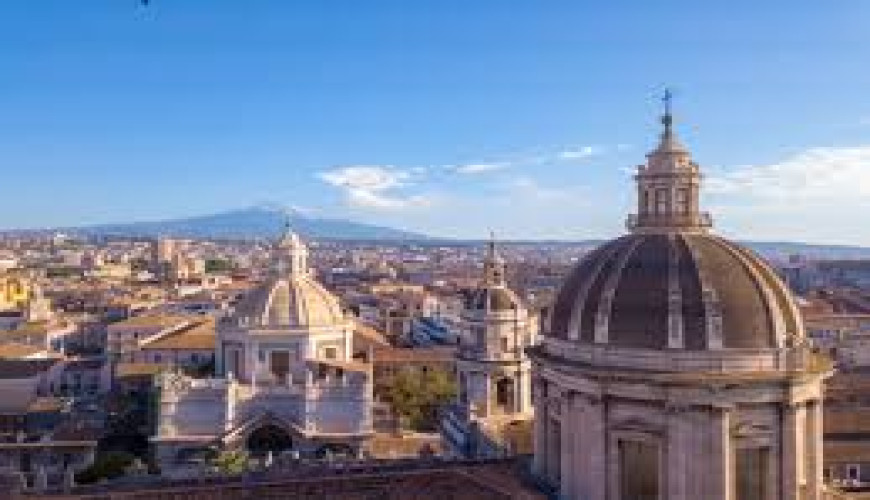
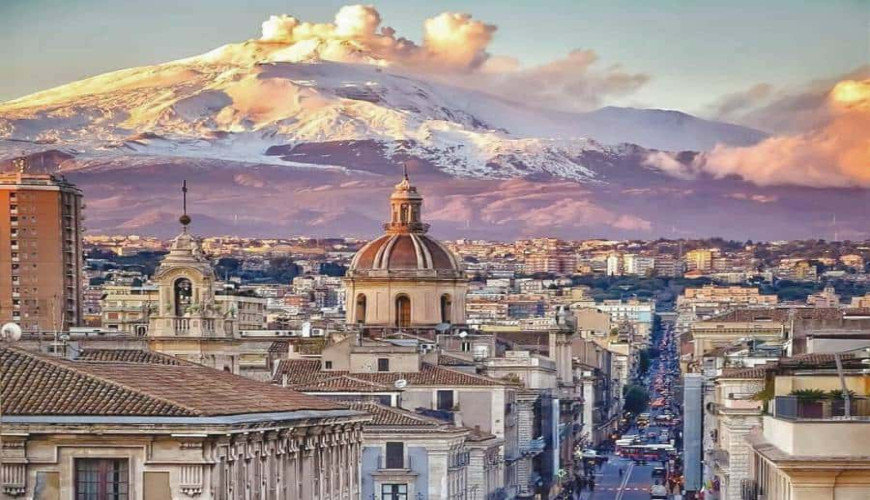
Why Visit Catania
Catania is the great baroque city at the foot of Mount Etna: shaped by eruptions and reconstructions, it offers striking contrasts between lively markets, baroque squares and an authentic Sicilian cuisine deeply rooted in local tradition.
Its proximity to the Etna volcano and its rich historical and artistic heritage make it a must-see destination for anyone visiting Sicily.
Getting around with a private transfer or a rental car makes travel easier — especially if you plan to reach Etna, nearby villages or the airports.
(Tip: explore the solutions offered by TDS Transfer on tdstransfer.it and by TDS Rent on tdsrent.it)
Information
1. Origins and Foundation
Catania is one of the oldest cities in eastern Sicily.
Founded by Chalcidian Greek settlers in 729 BC, it was originally named Katane.
Thanks to its strategic position and the fertility of the land — enriched by Etna’s volcanic soil — it soon became an important commercial center of Magna Graecia.
2. Roman Era
During the Roman Empire, Catania became a wealthy and well-organized city:
It was elevated to a civitas, with baths, theatres and an amphitheatre, now largely buried. Its economy thrived thanks to agriculture, the port and artisan activities.
3. Middle Ages and Subsequent Rulers
Like many Sicilian cities, Catania passed through various dominations:
Byzantines, who made it an important religious center.
Arabs (9th–11th century), who strengthened agriculture and trade.
Normans, Swabians, Angevins and Aragonese, all of whom contributed to its urban and cultural development.
A symbolic medieval event concerns Saint Agatha, a 3rd-century Christian martyr and now the city’s highly venerated patron saint.
4. The Devastating 1693 Earthquake and the Baroque Rebirth
In 1693 a catastrophic earthquake destroyed much of southeastern Sicily, including Catania.
The city was completely rebuilt in baroque style, with a modern and scenic urban layout. This era produced many of today’s iconic monuments, and Catania — together with other cities of the Val di Noto — is now a UNESCO World Heritage Site for its Sicilian Baroque.
5. The 19th and 20th Centuries
After the Unification of Italy, Catania became one of the most dynamic economic centers of the island.
Major industrial and commercial activities flourished, and the city developed into a cultural hub, also thanks to figures such as Vincenzo Bellini, a world-renowned composer.
In the 20th century it expanded further, becoming the second-largest city in Sicily.
6. Catania Today
Population: about 300,000 inhabitants (over 700,000 including the metropolitan area).
Location: Eastern Sicily, at the foot of Mount Etna.
Current strengths:
Port and international airport (Fontanarossa), among the busiest in Italy.
Historic university (founded in 1434).
Economy based on commerce, tourism, services and high-tech industries (Etna Valley).
Catania in 20 Stops: History, Culture and Panoramas to Experience
1. Piazza del Duomo and the Liotru
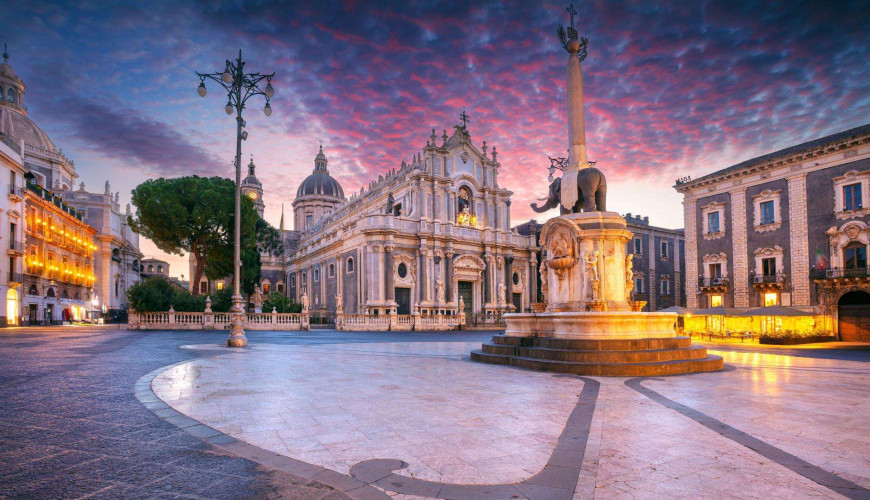
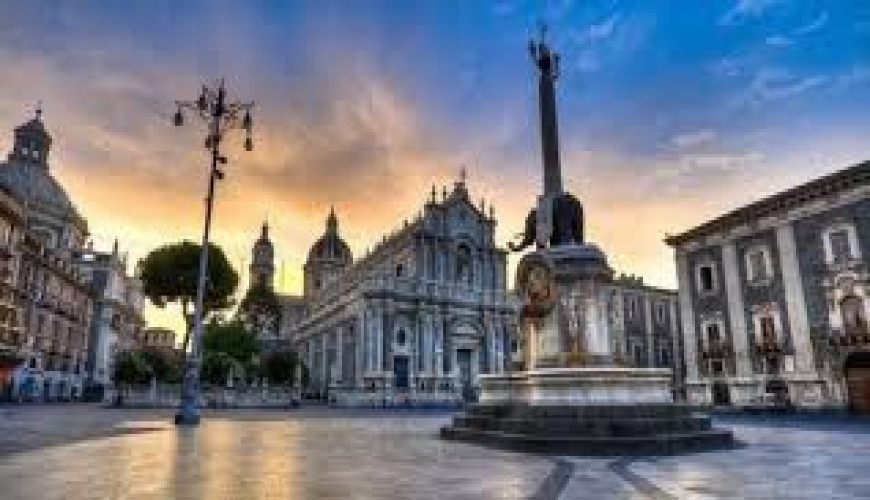
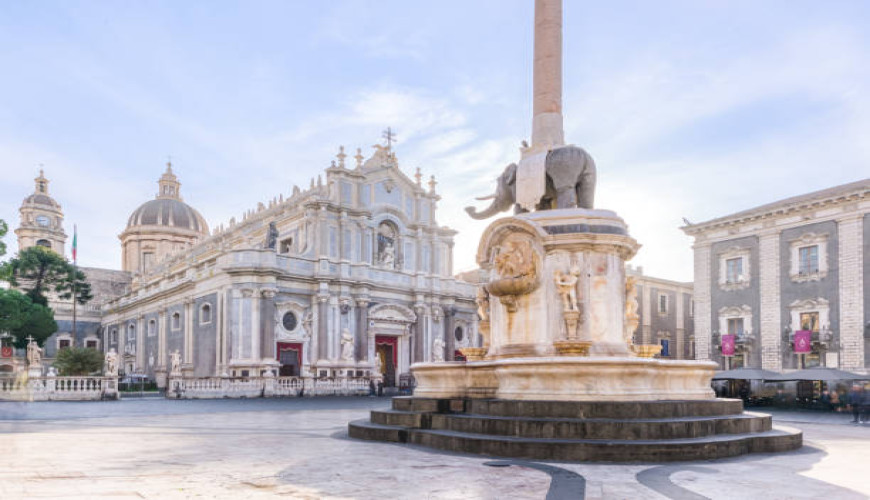
The monumental heart of the city, rebuilt in baroque style after the 1693 earthquake. The Liotru, the lava-stone elephant topped with an Egyptian obelisk, is considered the city’s good-luck symbol.
2. Cathedral of Saint Agatha
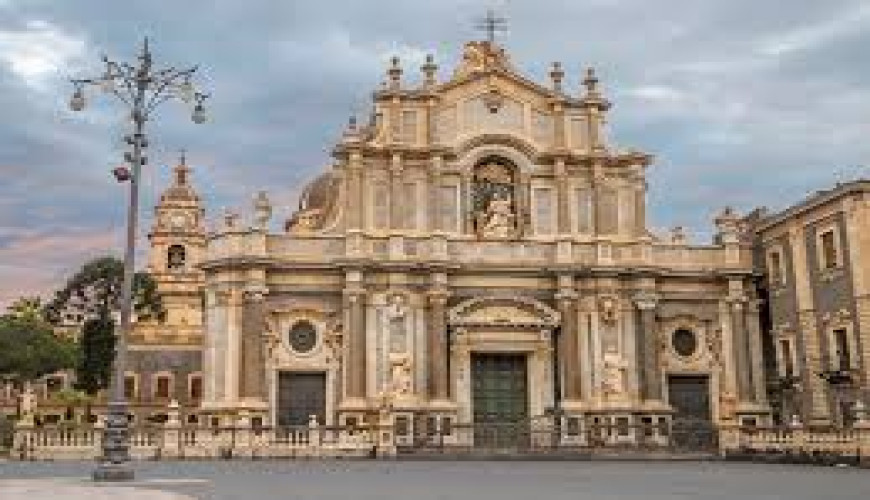
Dedicated to the city’s patron saint, it houses Saint Agatha’s relics. Inside are the tomb of composer Vincenzo Bellini and splendid baroque chapels. The façade was designed by architect Vaccarini.
3. Via Etnea
The city’s main street, almost 3 km long, lined with shops, historic cafés and noble palaces. It often offers a direct view of Mount Etna, especially on windy days.
4. Roman Theatre and Odeon
A perfectly integrated archaeological complex within the urban fabric. The Roman Theatre, dating to the 2nd century AD, could host up to 7,000 spectators; the Odeon was used for musical performances and rehearsals.
5. Ursino Castle
Built by Frederick II of Swabia in the 13th century, it originally stood right on the seashore. Lava flows from 1669 completely altered its surroundings. Today it houses the Civic Museum, rich in medieval and Renaissance works.
6. Benedictine Monastery
A vast monastic complex, one of the largest in Europe. Highlights include its cloisters, library and 18th-century kitchens. Designed in part by Vaccarini, it is now home to the University of Catania.
7. Teatro Massimo Bellini
An opera house inaugurated in 1890 with Bellini’s Norma. Its acoustics are considered exceptional. The richly decorated interior is one of the finest examples of 19th-century theatre in Italy.
8. La Pescheria (Fish Market)
A lively popular market held every morning behind Piazza Duomo. Fresh fish stalls, local specialties and a vibrant atmosphere — perfect for photos and street-food tastings.
9. Piazza Università
With its baroque palaces and bronze lampposts featuring mythological figures, it is one of the most elegant squares in the city and often hosts cultural events.
10. Palazzo Biscari
A baroque noble palace belonging to the Biscari princes. Famous for its ballroom, used as a venue for concerts and videoclip productions. Guided tours are available.
11. Bellini Garden
The city’s oldest park. It offers panoramic terraces, tree-lined paths and a large floral clock. Ideal for a relaxing break along Via Etnea.
12. Sicily Landing Museum 1943
A modern, immersive museum that reconstructs the Allied landing in Sicily during World War II. An engaging route with installations, documents and scenographic reconstructions.
13. Basilica della Collegiata
A baroque church with an elegant façade facing Via Etnea. The interior is bright and harmonious, a perfect example of Catanese baroque.
14. Church of San Nicolò l’Arena
The largest church in Sicily, though unfinished. Its truncated columns are distinctive. The terrace of the bell tower offers a stunning 360-degree view.
15. Badia of Saint Agatha (Dome Climb)
A must-do for visitors: the ascent provides spectacular views over Piazza Duomo, baroque rooftops and Mount Etna.
16. Roman Amphitheatre of Piazza Stesicoro
Built between the 2nd and 3rd centuries AD, it was one of the largest amphitheatres of the Roman Empire. Today only a portion is visible, but its original size was immense.
17. Porta Garibaldi (or Ferdinandea)
A monumental baroque arch built in 1768 to celebrate a Bourbon royal wedding. Its black lava stone and white marble contrast is striking.
18. Ognina Waterfront and Piazza Europa
A coastal stretch with lava cliffs and seaside venues. Ideal at sunset or for a morning run. Boat excursions also depart from here.
19. La Playa Beach
A sandy beach over 3 km long, with equipped lidos and shallow waters — perfect for families, water sports or relaxation just minutes from the city center.
20. Mount Etna (Excursion)
The highest active volcano in Europe, a UNESCO World Heritage Site. You can ascend by cable car from Rifugio Sapienza or hike with authorized guides from Piano Provenzana. Moon-like landscapes, historic lava flows and impressive craters await.
Guided climbs or off-road tours to explore craters, lava flows and mountain vineyards — an unmissable activity for anyone visiting Catania. [oai_citation:8†Tripadvisor](https://www.tripadvisor.com/Attractions-g187888-Activities-Catania_Province_of_Catania_Sicily.html?utm_source=chatgpt.com)
Taste of Catania: 20 Dishes that Express Tradition and Identity
Catanese cuisine is one of the most vibrant and identity-defining expressions of Sicilian gastronomy. Deeply tied to the products of Mount Etna, it blends simple, popular ingredients with intense, generous flavors. Eggplants, tomatoes, fresh fish, pistachios and grilled meats are central. The unique tradition of the tavola calda coexists with historic dishes like Pasta alla Norma, while street food — from arancini to horse-meat patties — reflects the city’s authentic character. Sweets such as cannoli, granita and brioche complete a culinary heritage rich in history, creativity and authenticity.
Catanese cuisine incorporates Arab, Spanish and Mediterranean influences. Here are the dishes and foods (some street-food staples) you must try.
1. Catanese Arancino (Meat or Butter)
In Catania, the arancino has a distinctive conical shape, symbol of the city. The classic version is filled with meat ragù, peas and caciocavallo cheese; the “butter” version contains ham, mozzarella and béchamel. The local version has a crunchy coating and golden frying.
2. Pasta alla Norma
The city’s iconic dish: fried eggplants, fresh tomato sauce, basil and salted ricotta. Created in Catania as a tribute to composer Vincenzo Bellini, it embodies simple yet intense flavors.
3. Cipollina
A typical snack sold in bakeries and bars. Made with puff pastry filled with stewed onions, tomato, ham and melted cheese. Its taste is bold and slightly sweet due to caramelized onions.
4. Cartocciata
Similar to a soft, folded focaccia. The classic filling includes ham and mozzarella, but versions with fried eggplants, mushrooms, sausage or würstel are also common. A staple of Catanese tavola calda.
5. Catanese Tavola Calda
A collection of bar snacks representing the city’s typical breakfast or quick bite: bombe, rollò, pizzette, rizzuole, panzerotti and much more — all made with soft, well-leavened dough.
6. Iris (Fried or Baked)
A soft pastry filled with ricotta, chocolate or custard cream. The fried version is the most indulgent: crispy on the outside and creamy inside.
7. Brioche with Gelato
A popular breakfast or afternoon treat. The “tuppo” brioche is filled with artisanal gelato, often pistachio, hazelnut, chocolate or almond. A quintessential Sicilian experience.
8. Granita with Brioche
Catanese granita is particularly creamy. Traditional flavors include almond, lemon, mulberries, chocolate or pistachio. Always served with brioche — a beloved morning ritual.
9. Sicilian Cannolo
In Catania, the ricotta filling is firmer and less sweet compared to other areas. Prepared on the spot to keep the shell crisp. Garnished with candied fruit, pistachio or chocolate.
10. Pistachio Pasta
A very popular dish thanks to nearby Bronte. Made with a rich pistachio pesto, often enhanced with speck, pancetta or cream. Gourmet variations may include shrimp or aromatic spices.
11. Catanese Scacciata
A closed savory pie, especially common during Christmas. Fillings vary: potatoes and broccoli, tuma cheese and anchovies, sausage and cauliflower, or eggplants. Soft dough and abundant filling.
12. Fresh Fish from La Pescheria
The historic Catanese market offers fish caught only hours earlier: fried fish, raw prawns, cuttlefish, octopus, grilled swordfish. Nearby restaurants serve simple but extremely fresh dishes.
13. Pasta with Sardines
An intense, aromatic dish made with fresh sardines, wild fennel, pine nuts, raisins, onions and saffron. The Catanese version differs slightly from the Palermo one, but is equally flavorful.
14. Catanese Caponata
Fried eggplants with a sweet-and-sour dressing of olives, capers and celery. The Catanese version is sweeter than other Sicilian variants. Served as an appetizer or side.
15. Mixed Rosticceria
Every Catanese bar offers classics like rollò with würstel, red pizzette, mini-arancini and mini-cartocciate — perfect for an inexpensive, quick snack.
16. Sandwich with Panelle and Crocchè (Local Version)
Though more typical of Palermo, it is also found in Catania with local variations. Soft bread filled with chickpea fritters and potato croquettes, usually seasoned with salt, pepper and lemon.
17. Boiled Octopus from Ognina
A specialty of Catania’s seaside district. The octopus is boiled and served warm, chopped, with lemon, parsley and pepper — one of the most authentic coastal flavors.
18. Crispelle (Rice with Honey or Ricotta and Anchovies)
Two distinct traditions:
Rice crispelle are sweet, coated in honey and typical for Saint Joseph’s Day.
Ricotta or anchovy crispelle are savory, soft inside and crispy outside.
19. Fried Doughnuts (Graffe)
Soft, freshly fried doughnuts coated in sugar. Common in evening kiosks, often accompanied by typical beverages like seltzer, lemon and salt.
20. Saint Agatha’s Minne
A symbolic dessert of the city: a small almond-paste dome filled with ricotta and chocolate chips, covered in white glaze and topped with a candied cherry. Eaten during the feast of Saint Agatha, but available year-round in many pastry shops.
Local Meats and Special Sandwiches During Saint Agatha’s Feast
During patronal celebrations (e.g. Saint Agatha’s Feast) the street-food scene comes alive with local sandwiches and unique specialties: a chance to taste authentic variations. For genuine flavors, look for historic shops and central stalls (Savia, Spinella and other historic pastry shops are local benchmarks).
Practical Tips for Visitors
- Best time to visit: spring and autumn offer mild temperatures; summer is hot but ideal for beaches and granita.
- How to get around: for comfort and safety, book transfers or rent a car with TDS Transfer if you plan excursions outside the city.
- Safety and respect: respect historic districts and site rules; for Etna climbs always follow authorized guides. [oai_citation:13†Vincenzo Modica](https://vincenzomodica.com/mount-etna-historical-sites/?utm_source=chatgpt.com)
If you want to book a transfer from one of the main airports or from any location in Sicily, click here https://www.tdstransfer.it