
Living Nativity Scenes in Sicily: 20 Places Where Christmas Keeps the Island’s Soul Alive
Amid caves, villages and age-old crafts, let yourself be moved by traditions that come alive in the glow of Christmas.
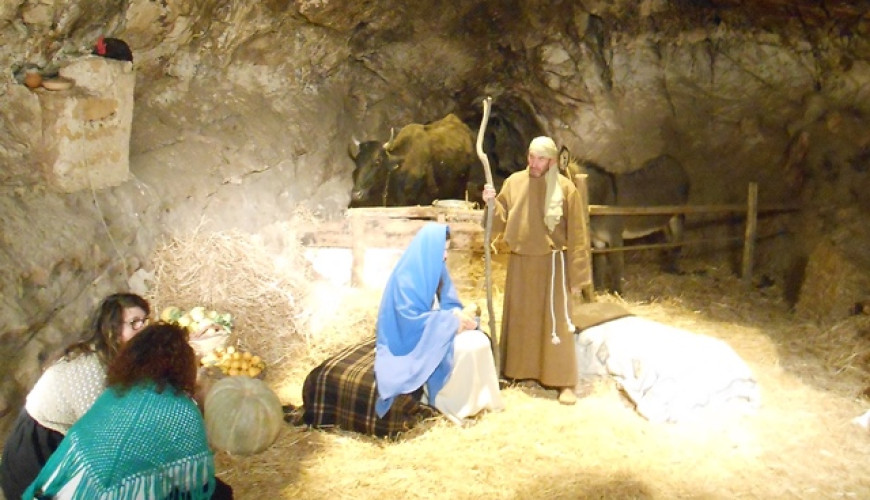
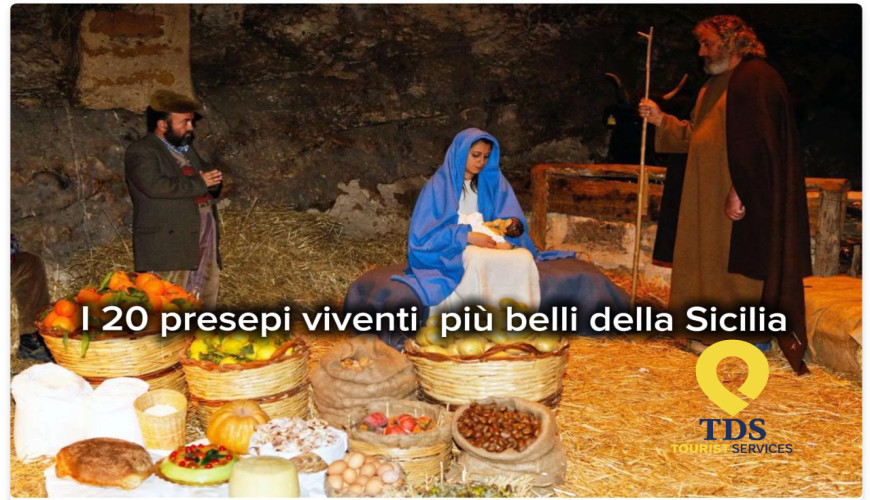
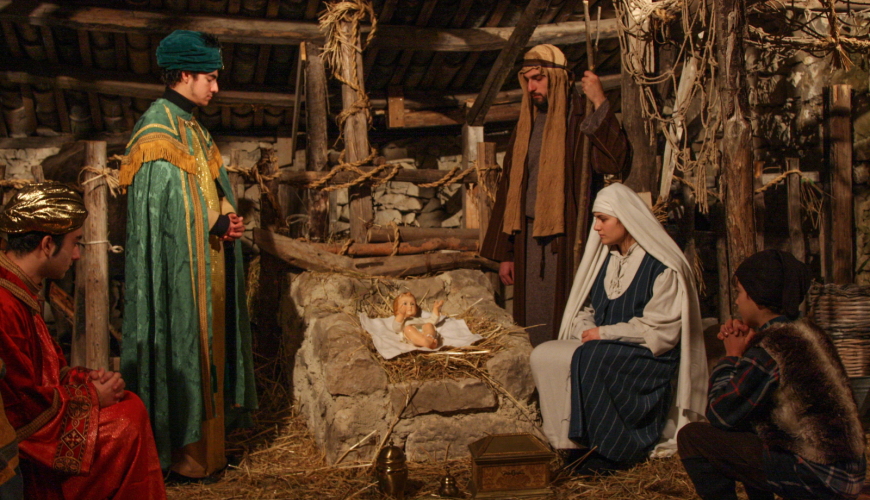
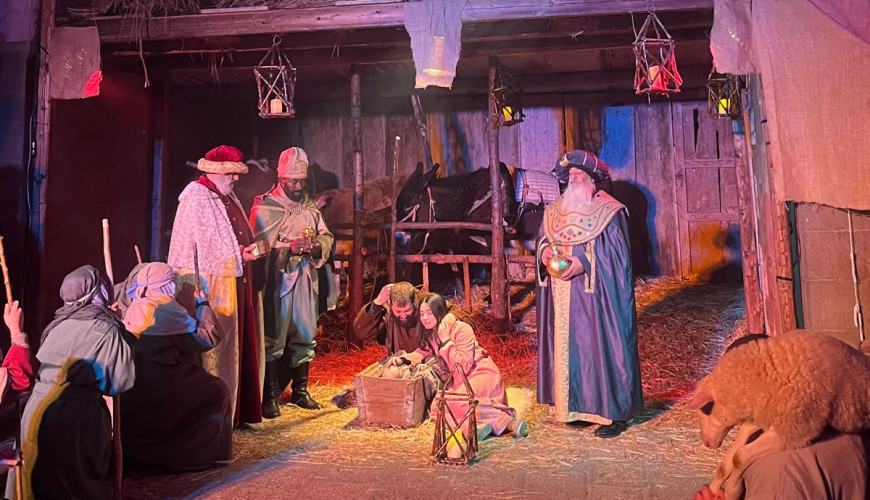
The 20 most important living nativity scenes in Sicily: history and information
Historical origins
The tradition of the living nativity scene began with Saint Francis of Assisi in 1223 in Greccio and spread throughout Sicily.
- Sicily developed the tradition of living nativity scenes in villages, historic centres and natural caves, creating a unique connection between faith, history and the local landscape by transforming streets, squares, caves and churches into settings that bring the Nativity to life.
- Living nativity scenes are more than representations of the Nativity: they portray the everyday lives of farmers, craftsmanship, vanished trades, celebrations and local customs.
- Many villages have chosen this form of historical re-enactment as a way to showcase their cultural and architectural heritage, transforming every alleyway, square and historic building into a theatrical setting.
Main living nativity scenes
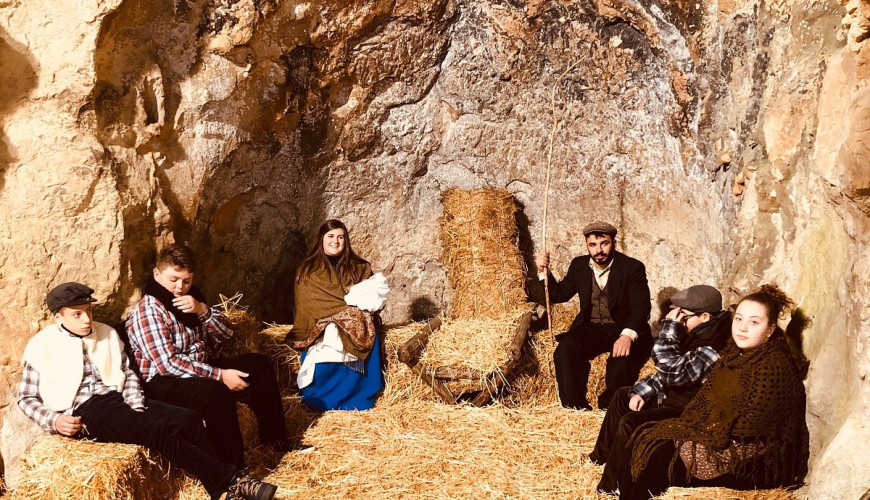
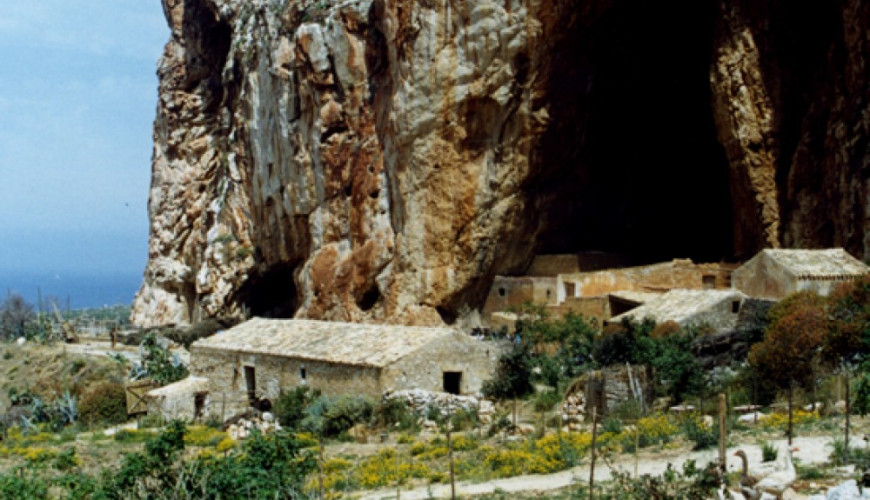
1. Custonaci Living Nativity Scene (Trapani)
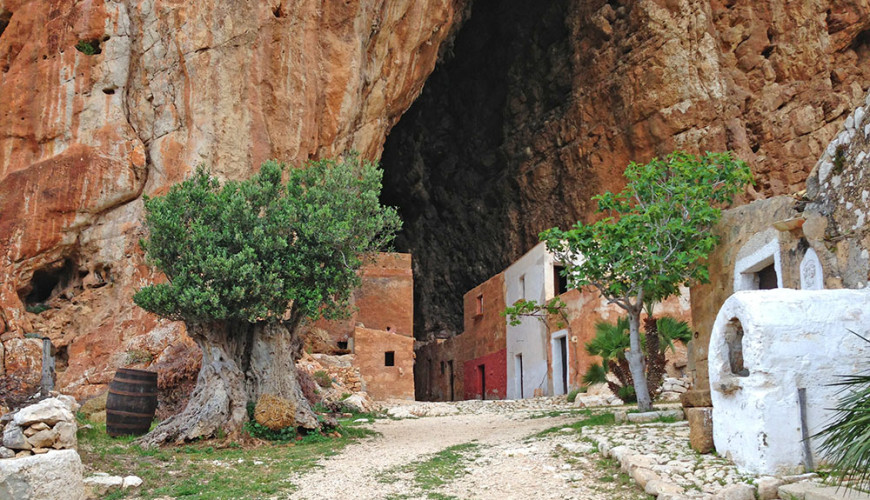
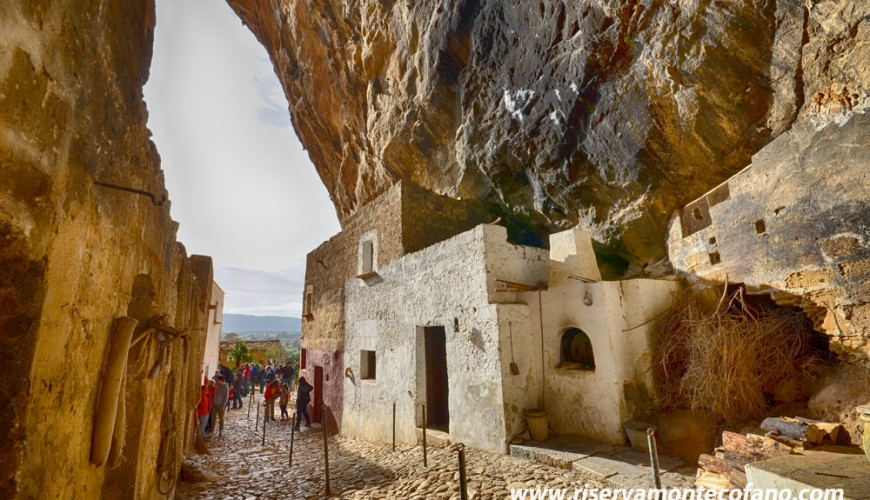
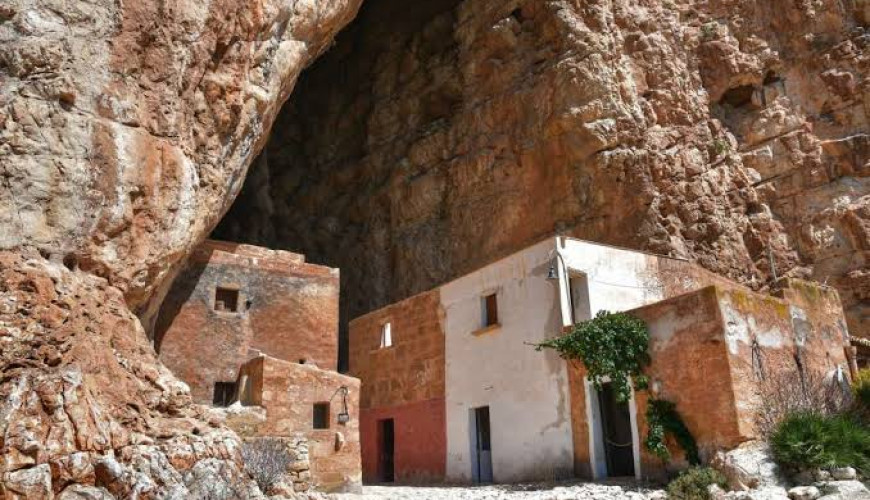
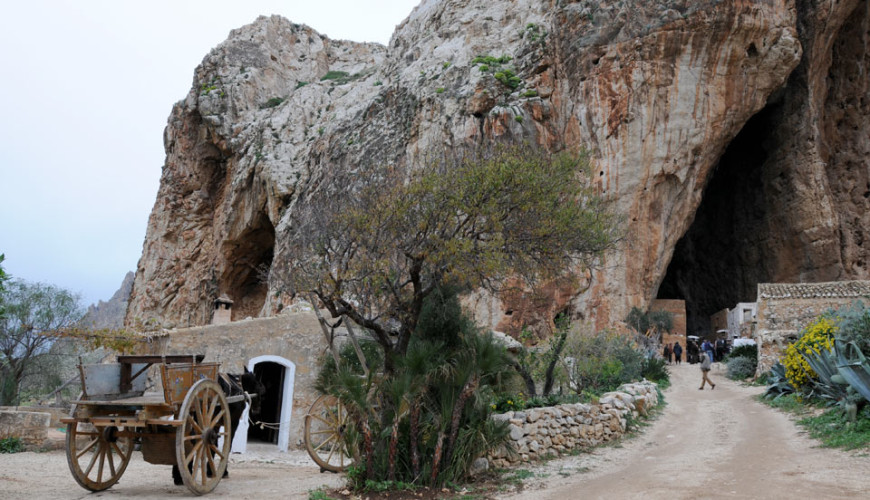
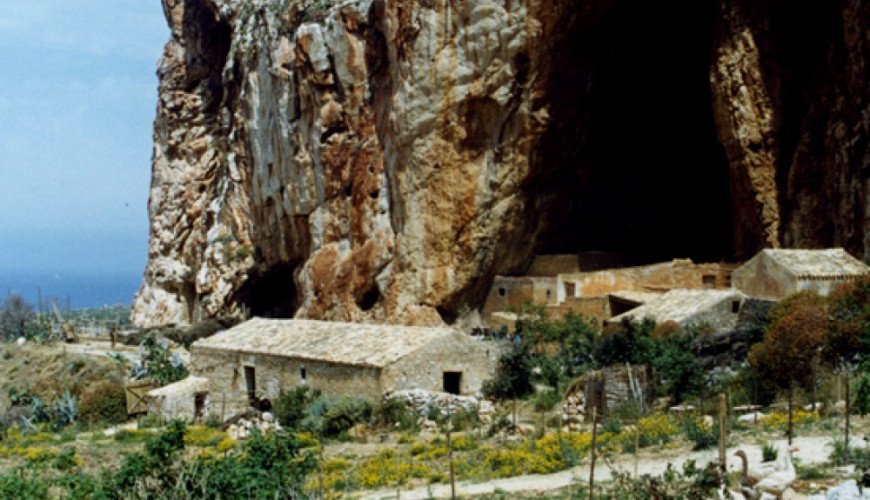
Founded in 1983 in Mangiapane Cave.
- Today, this living nativity scene is probably the best known in all of Sicily. Its first edition took place at Christmas in 1983.
- Its origins: it grew out of a local tradition of religious performances held between 1974 and 1982 at the Sanctuary of Our Lady of Custonaci. The cave was chosen to provide an evocative natural setting.
Setting and Route
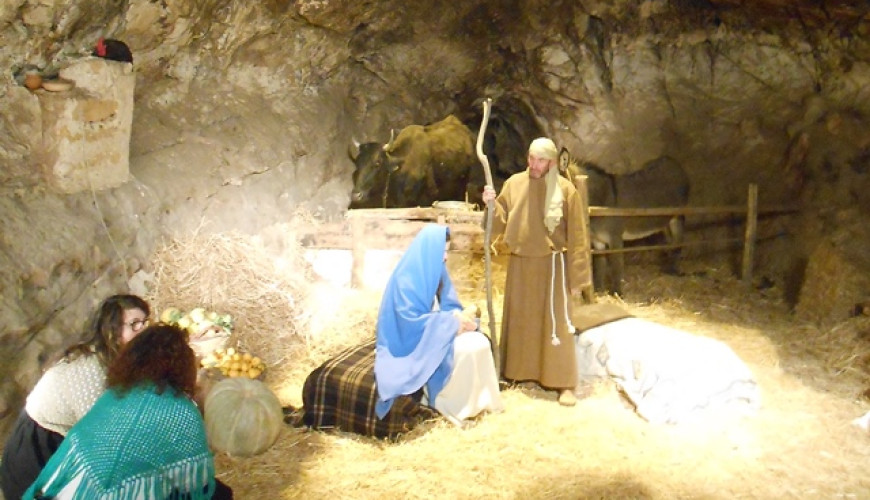
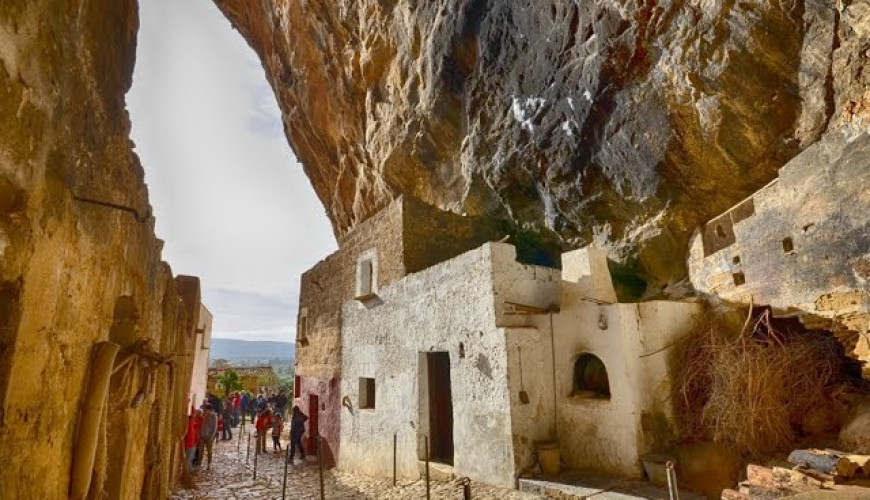
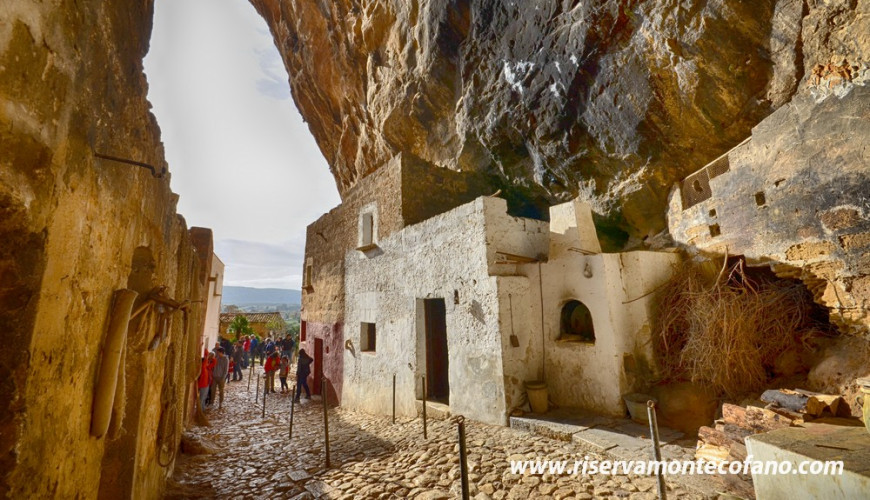
- Mangiapane Cave is an authentic cave village, with houses, stables, courtyards and stone ovens that retain their original historic appearance.
- The nativity route winds through caves, small squares and alleyways, guiding visitors through scenes of everyday life in the 19th century.
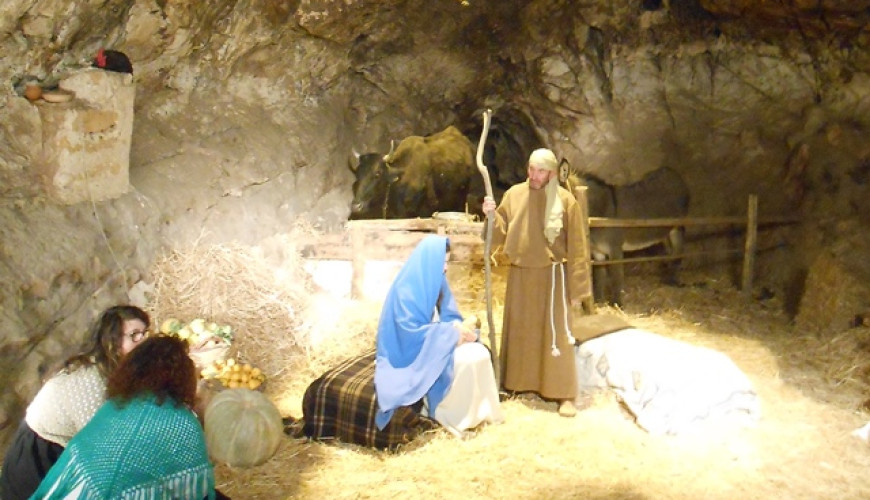
- The central scene is the Nativity, recreated in a cave with performers and live animals, surrounded by workshops and traditional crafts.
Recreated Trades and Traditions
Custonaci's living nativity scene is famous for its rich portrayal of rural life: breadmaking, working with iron, wool spinning, weaving, cheesemaking and other local specialities.
Local performers bring markets, workshops and stables to life, offering a comprehensive portrayal of rural life.
Folk songs and traditional music make the atmosphere even more authentic.
- Meaning: it is more than a religious performance; it is an immersion in rural traditions, a historical re-enactment of community life: an authentic “living museum” that celebrates trades, culture and collective memory.
- Recognition: since 2006, the Custonaci living nativity scene has been included in the register of heritage belonging to the Sicilian Region's intangible cultural heritage.
- In summary: Custonaci represents the iconic model of the Sicilian living nativity scene — a community project with historical, cultural, social and religious significance.
It uses the caves and rural houses of the historic village as its setting.
Dozens of performers bring ancient trades to life, including breadmaking, spinning, ironworking and stoneworking.
It is a “living museum” that tells the story of rural life and local traditions.
2. Sutera Living Nativity Scene (Caltanissetta)
Set in the village's medieval quarter.
It features scenes of everyday life and local craftsmanship.
Music and folk traditions create an authentic Christmas atmosphere.
History and Origins
Sutera's living nativity scene began in the 1970s as a local community initiative to celebrate Christmas traditions and showcase the medieval village.
Sutera is a small medieval village in the province of Caltanissetta, famous for its winding alleyways and intimate atmosphere, making it a perfect setting for the Nativity.
The aim is to recreate Bethlehem at the time of Jesus throughout the streets, squares and courtyards of the historic centre, with costumed performers and realistic settings.
Setting and Route
The route winds through the medieval “Rabato” quarter, among alleyways, small squares and courtyards that become natural backdrops.
Every corner of the village is arranged to depict scenes of everyday life from the period: workshops, stables, markets and rural homes.
The Nativity cave is the focal point of the performance, where the scene of Jesus' birth is recreated.
Recreated Trades and Traditions
The nativity scene features artisans and traditional trades: breadmaking, wool spinning, woodworking and pottery.
Scenes of rural life, such as harvesting produce, preparing traditional foods and trading in markets, enrich the experience.
Folk songs and traditional Christmas music create an authentic and evocative atmosphere.
3. Gangi Living Nativity Scene (Palermo)
The historic centre is transformed through its alleyways, squares and old houses.
Performers, workshops and traditional trades bring the Nativity to life amid the village's history.
History and Origins
- Gangi's living nativity scene is among the most famous in Sicily. It began in the 1980s as an initiative by the municipality and local associations to showcase the village and its Christmas traditions.
- Gangi is a medieval village in the heart of the Madonie mountains, famous for its cobbled streets, historic squares and aristocratic palaces.
- The main aim of the nativity scene is to recreate Bethlehem at the time of Jesus, using the village's historic streets and picturesque corners as its setting.
Setting and Route
- The route winds through the historic centre, among alleyways, squares and ancient courtyards.
- Historic buildings and village streets become natural backdrops: houses, workshops and squares welcome performers, animals and scenes of everyday life.
- The main Nativity scene is located in a central spot, with a cave or specially arranged building recreating the stable.
Recreated Trades and Traditions
The nativity scene portrays ancient trades such as:
- Carpentry and woodworking
- Weaving and wool spinning
- Breadmaking and the preparation of traditional sweets
- Local crafts and merchants' shops
- Performers and village residents bring the streets to life, recreating everyday scenes such as market trading, food preparation and celebrations.
4. Cava d'Ispica Living Nativity Scene (Ragusa/Ispica)
A natural setting among caves and a canyon.
The caves become workshops, stables and homes, with scenes of rural life.
It combines nature, history and rural traditions.
History and Origins
- The Cava d'Ispica living nativity scene began in the 1990s as a local initiative to showcase the area and its Christmas traditions.
- Cava d'Ispica is a long river valley rich in natural caves, cave settlements and archaeological remains, making it a unique and spectacular setting for recreating the Nativity.
- The event transforms the caves and natural spaces into homes, workshops and stables, creating a “cave village” where history, religion and folk culture meet.
Setting and Route
- The route winds through the valley, among caves, canyon landscapes and natural passageways, allowing visitors to walk through an authentic and immersive environment.
- The caves are arranged as workshops, homes, stables and marketplaces, recreating everyday life in an ancient village.
- The main Nativity scene is located in a central cave, often accompanied by performers and live animals.
Recreated Trades and Traditions
- The nativity scene portrays ancient trades and rural activities, including:
- Breadmaking and the preparation of traditional sweets
- Wool processing and weaving
- Carpentry and local crafts
- Selling agricultural produce in markets
- Performers and artisans demonstrate traditional techniques, allowing visitors to observe everyday life in the past.
5. Montalbano Elicona Living Nativity Scene (Messina)
Held in the medieval village, with settings inside historic houses and along alleyways.
It features traditional trades, markets and crafts.
The Nativity comes to life authentically in a unique architectural setting.
History and Origins
- Montalbano Elicona's living nativity scene began in the 1980s as a cultural and religious initiative to showcase the medieval village during the Christmas holidays.
- Montalbano Elicona is a medieval village recognised as one of Italy's most beautiful villages, featuring cobbled streets, historic buildings and medieval towers.
- The aim is to recreate Bethlehem at the time of Jesus, combining the Nativity with everyday village life in the past.
Setting and Route
The route winds through the historic centre and castle areas, using alleyways, small squares and courtyards as natural backdrops.
Houses and workshops are arranged to depict trades and everyday activities.
The central Nativity scene is staged in an evocative location, often enhanced by costumed performers and live animals.
Recreated Trades and Traditions
- The nativity scene portrays ancient trades and rural activities, including:
- Breadmaking and the preparation of traditional sweets
- Woodworking and pottery
- Weaving and wool spinning
- Market activities and the village's traditional trading practices
- Local performers bring the streets to life with scenes of everyday life and bustling markets.
6. Palazzolo Acreide Living Nativity Scene (Siracusa)
Held in the village's historic quarters and natural caves.
It combines history, spirituality and Baroque architecture.
An evocative atmosphere and immersive routes through alleyways and squares.
History and Origins
- Palazzolo Acreide's living nativity scene began in the 1980s as a cultural and religious initiative to showcase the village and its Christmas traditions.
- Palazzolo Acreide is a Baroque village famous for its churches, squares and historic buildings, part of the UNESCO World Heritage Site associated with the Valley of the Temples of Siracusa.
- The aim is to recreate Bethlehem at the time of Jesus, combining the Nativity with everyday life in Sicilian villages of the past.
Setting and Route
- The route winds through the village's alleyways, squares and natural caves, transforming Palazzolo Acreide into a living village.
- Historic houses and workshops become settings for traditional trades and everyday scenes.
- The central Nativity scene is staged in an evocative setting, often in a historic square or cave, with costumed performers and live animals.
Recreated Trades and Traditions
- The nativity scene portrays ancient trades and rural activities, including:
- Breadmaking and the preparation of traditional sweets
- Wool processing and weaving
- Carpentry and local crafts
- Traditional markets and trading activities
- Local performers bring the streets and workshops to life, creating an immersive experience of everyday life.
7. Agira Living Nativity Scene (Enna)
Set among the ruins of the town's castle.
Performers recreate scenes of everyday life in the past.
It combines faith with the village's historical memory.
History and Origins
- Agira's living nativity scene began as a cultural and religious initiative to showcase the medieval village during the Christmas holidays, with a tradition established since the 1980s.
- Agira is a medieval village in the heart of central Sicily, known for its historic streets, squares and medieval castle, which become natural backdrops for recreating the Nativity.
- The aim is to recreate Bethlehem at the time of Jesus, intertwining the spirituality of Christmas with the village's historical and folk traditions.
Setting and Route
- The route winds through the alleyways, squares and courtyards of the historic centre, transforming Agira into a living village.
- Historic houses and squares are arranged to depict everyday scenes, workshops and traditional trades.
- The central Nativity scene is staged in a key location in the village, often in the medieval castle or a main square, with costumed performers and live animals.
Recreated Trades and Traditions
- The nativity scene portrays ancient trades and rural activities, including:
- Breadmaking and the preparation of traditional sweets
- Carpentry and ironworking
- Weaving and wool spinning
- Traditional markets and agricultural activities
- The scenes recreate everyday life and rural traditions of the past, making the nativity scene immersive and educational.
8. Caltabellotta Living Nativity Scene (Agrigento)
The entire village becomes a “nativity town”.
Lights, alleyways and ancient trades create a picture-postcard atmosphere.
It celebrates rural traditions and local history.
History and Origins
- Agira's living nativity scene began as a cultural and religious initiative to showcase the medieval village during the Christmas holidays, with a tradition established since the 1980s.
- Agira is a medieval village in the heart of central Sicily, known for its historic streets, squares and medieval castle, which become natural backdrops for recreating the Nativity.
- The aim is to recreate Bethlehem at the time of Jesus, intertwining the spirituality of Christmas with the village's historical and folk traditions.
Setting and Route
- The route winds through the alleyways, squares and courtyards of the historic centre, transforming Agira into a living village.
- Historic houses and squares are arranged to depict everyday scenes, workshops and traditional trades.
- The central Nativity scene is staged in a key location in the village, often in the medieval castle or a main square, with costumed performers and live animals.
Recreated Trades and Traditions
- The nativity scene portrays ancient trades and rural activities, including:
- Breadmaking and the preparation of traditional sweets
- Carpentry and ironworking
- Weaving and wool spinning
- Traditional markets and agricultural activities
- The scenes recreate everyday life and rural traditions of the past, making the nativity scene immersive and educational.
9. Castanea delle Furie Living Nativity Scene (Messina)
A large staged area covering approximately 4,000 m².
Markets, alleyways and caves recreate Bethlehem of the past.
An immersive and spectacular experience for visitors of all ages.
History and Origins
- Castanea delle Furie's living nativity scene is a Christmas tradition that took shape in recent decades thanks to the dedication of the local community.
- Castanea delle Furie is a hillside district of Messina, characterised by a compact village with narrow streets and evocative small squares, perfect for recreating the atmosphere of ancient Bethlehem.
- The initiative aims to celebrate local history and traditions, combining faith and folk culture.
Setting and Route
- The route winds through the village's alleyways, squares and courtyards, transforming Castanea delle Furie into a truly living village.
- Historic buildings and squares host scenes of everyday life at the time of the Nativity, with costumed performers, live animals and artisan workshops.
- The central Nativity scene is staged in a panoramic location in the village, creating an evocative visual effect.
Recreated Trades and Traditions
- The nativity scene portrays ancient trades and rural activities, including:
- Breadmaking and the preparation of traditional sweets
- Woodworking and ironworking
- Weaving and wool spinning
- Markets and agricultural activities
- Performers and artisans bring the streets to life, offering an immersive experience of Sicilian rural life.
10. Giarratana Living Nativity Scene (Ragusa)
Set in the historic “U Cuozzu” quarter.
Alleyways and stone houses host artisans and ancient trades.
Considered one of Sicily's most beautiful and evocative living nativity scenes.
History and Origins
- Giarratana's living nativity scene is an established tradition in south-eastern Sicily, begun in the 1980s as an initiative by the municipality and local associations to showcase the village during the Christmas season.
- Giarratana is a medieval village known for its narrow streets, squares and stone houses, which provide a perfect natural setting for recreating Bethlehem at the time of Jesus.
- The event combines spirituality, culture and folk traditions, offering visitors an immersive and authentic experience.
Setting and Route
- The nativity scene unfolds in the historic “U Cuozzu” quarter, where alleyways, squares and courtyards become natural backdrops.
- The village's caves, houses and workshops are arranged as homes, stables and artisan workshops from the time of Jesus.
- The central Nativity scene is staged in a cave or a central area of the village, with costumed performers and live animals.
- Recreated Trades and Traditions
- The nativity scene portrays ancient trades and rural activities, including:
- Breadmaking and the preparation of traditional sweets
- Woodworking and ironworking
- Weaving and wool spinning
- Market activities and trade in agricultural produce
- Local performers bring everyday scenes to life, making the experience immersive and educational.
11. Monterosso Almo Living Nativity Scene (Ragusa)
The narrow streets of the historic centre become living backdrops.
Stone houses, workshops and lights create an evocative route.
It recreates everyday life at the time of the Nativity.
History and Origins
- Monterosso Almo's living nativity scene began in the 1980s as an initiative by the municipality and local associations to showcase the medieval village and its Christmas traditions.
- Monterosso Almo is a village in the Hyblaean hinterland, characterised by cobbled streets, alleyways and panoramic squares that become natural backdrops for recreating the Nativity.
- The aim is to recreate Bethlehem at the time of Jesus, combining the spirituality of Christmas with everyday life in Sicilian villages of the past.
Setting and Route
- The route winds through the village's historic alleyways, squares and courtyards, with staged settings that transform houses and workshops into homes, stables and ancient markets.
- The central Nativity scene is staged in a symbolic location in the village, often in a square or a historic church, with costumed performers and live animals.
- The route allows visitors to immerse themselves fully in everyday life at the time of Jesus.
Recreated Trades and Traditions
- The nativity scene portrays ancient trades and rural activities, including:
- Breadmaking and the preparation of traditional local sweets
- Weaving and wool spinning
- Carpentry and ironworking
- Market activities and trade in agricultural produce
- The performers bring the workshops and streets to life, creating a realistic experience of Sicilian rural life.
12. Ragusa Living Nativity Scene (historic centre)
Baroque squares and churches provide the backdrop.
Performers, markets and artisans bring the streets to life.
It combines architectural beauty and spirituality.
History and Origins
- Ragusa's living nativity scene began in the 1990s as an initiative by the municipality and local cultural associations to showcase the city's historic centre during the Christmas holidays.
- Ragusa is known for its UNESCO-listed Baroque historic centre, with alleyways, squares, palaces and churches that become perfect natural backdrops for recreating Bethlehem at the time of Jesus.
- The event combines spirituality, tradition and folk culture, offering visitors an immersive experience.
Setting and Route
- The nativity route winds through historic alleyways, squares and courtyards, transforming the historic centre into a living village.
-The Baroque squares and palaces host scenes of everyday life, workshops and traditional crafts.
- The main Nativity scene is staged in a central square or a historic building, with costumed performers and live animals.
Recreated Trades and Traditions
- The nativity scene portrays ancient trades and rural activities, including:
Breadmaking and the preparation of traditional sweets
- Weaving and wool spinning
- Working with wood, iron and traditional tools
- Traditional markets and trading activities
- Local performers bring the streets and workshops to life, recreating everyday life in Sicilian villages of the period.
13. Scicli Living Nativity Scene (Ragusa)
It uses caves and streets in the historic centre.
An intimate and peaceful atmosphere, with scenes of rural life.
It combines nature, history and folk traditions.
History and Origins
- Scicli's living nativity scene began in the 1980s as a cultural and religious initiative to showcase the city's historic centre during the Christmas holidays.
- Scicli is a UNESCO-listed Baroque town known for its squares, historic palaces and picturesque alleyways, which become the natural backdrop for recreating the Nativity.
- The aim of the event is to recreate Bethlehem at the time of Jesus, combining the spirituality of Christmas with local folk and rural traditions.
Setting and Route
- The route winds through historic alleyways, squares and courtyards, transforming the historic centre into a truly living village.
- Houses, workshops and churches host everyday scenes, trades and activities from the period.
- The main Nativity scene is staged in a central square or an evocative location in the town, with costumed performers and live animals.
Recreated Trades and Traditions
- The nativity scene portrays ancient trades and rural activities, including:
- Breadmaking and the preparation of traditional sweets
- Weaving and wool spinning
- Woodworking and ironworking
- Traditional markets and trading practices of the period
- The performers bring the streets, workshops and markets to life, offering an immersive and educational experience.
14. Melilli Living Nativity Scene (Siracusa)
Set in a historic convent and garden.
Performers bring ancient trades and Nativity scenes to life.
Ideal for families and anyone seeking a traditional performance.
History and Origins
- Militello's living nativity scene began as a cultural and religious initiative in the 1980s to showcase the village during the Christmas holidays.
- Militello is a historic village in the Sicilian hinterland, with ancient alleyways, squares and courtyards that provide a perfect natural setting for recreating Bethlehem at the time of Jesus.
- The event aims to combine spirituality, folk traditions and the promotion of the local area.
Setting and Route
- The route winds through the alleyways, squares and courtyards of the historic centre, where houses and workshops become natural backdrops.
- The scenes portray everyday life in the past, with workshops, markets and traditional crafts.
- The main Nativity scene is staged in a central location in the village, often in a square or church, with costumed performers and live animals.
Recreated Trades and Traditions
- The nativity scene portrays ancient trades and rural activities, including:
- Breadmaking and the preparation of traditional sweets
- Woodworking and ironworking
- Weaving and wool spinning
- Market scenes and trade in agricultural produce
- Performers bring the streets, workshops and markets to life, creating an immersive and educational experience.
15. Carini Living Nativity Scene (Palermo)
Inside the village's historic castle.
Carefully crafted settings with costumed performers.
It combines history, architecture and spirituality.
History and Origins
- Carini's living nativity scene began as a cultural and religious initiative to showcase the village during the Christmas holidays, becoming established in recent decades.
- Carini is a medieval village famous for its Norman Castle, historic squares and central streets, which offer an ideal scenic setting for recreating the Nativity.
- The aim is to recreate Bethlehem at the time of Jesus, combining the spirituality of Christmas with local folk traditions and craftsmanship.
Setting and Route
- The route winds through the village's historic centre, among alleyways, squares and castle courtyards.
- Houses, workshops and public spaces are arranged as homes, stables and artisan workshops, where performers and live animals recreate everyday life in the past.
- The main Nativity scene is staged in a central location in the village or inside the castle, creating an evocative visual effect.
Recreated Trades and Traditions
- The nativity scene portrays ancient trades and rural activities, including:
- Breadmaking and the preparation of traditional local sweets
- Weaving and wool spinning
- Woodworking and ironworking
- Traditional markets and trading activities
- The performers bring the workshops and streets to life, offering an immersive experience of rural and urban life in the period.
16. Castronovo di Sicilia Living Nativity Scene (Palermo)
A picturesque village with narrow alleyways and old houses.
It brings Bethlehem of the past to life through traditional settings.
An intimate and authentic atmosphere.
History and Origins
- Castronovo di Sicilia's living nativity scene began as a cultural and religious initiative to showcase the medieval village during the Christmas season.
- Castronovo di Sicilia is a village in the Palermo hinterland characterised by narrow alleyways, historic squares and ancient buildings, providing an ideal natural setting for recreating the Nativity.
- The event aims to recreate Bethlehem at the time of Jesus, combining spirituality, folk traditions and the promotion of the local area.
Setting and Route
- The route winds through the village's alleyways, squares and courtyards, transforming Castronovo into a truly living village.
- Houses, workshops and communal spaces are arranged as homes, stables and artisan workshops, where performers and live animals recreate everyday life in the past.
- The main Nativity scene is staged in a central location in the village, often in a square or inside a historic building, creating an evocative visual effect.
Recreated Trades and Traditions
- The nativity scene portrays ancient trades and rural activities, including:
- Breadmaking and the preparation of traditional sweets
- Weaving and wool spinning
- Woodworking and ironworking
- Traditional markets and agricultural activities
- Performers bring the streets and workshops to life, offering visitors an immersive experience of Sicilian rural life.
17. Marineo Living Nativity Scene (Palermo)
The castle and historic centre come to life for Christmas.
Trades, workshops and medieval settings create immersive routes.
History and Origins
Marineo's living nativity scene began as a cultural and religious initiative to showcase the village during the Christmas holidays.
Marineo is a village in the Palermo hinterland characterised by historic alleyways, squares and courtyards, which become the ideal setting for recreating the Nativity.
The event aims to recreate Bethlehem at the time of Jesus, combining spirituality, folk traditions and the celebration of historical heritage.
Setting and Route
- The route winds through the alleyways, squares and courtyards of the historic centre, transforming Marineo into a living village.
- Houses and workshops are arranged as homes, stables and artisan workshops, with costumed performers and live animals.
- The main Nativity scene is located in a central spot in the village, creating an evocative visual effect.
Recreated Trades and Traditions
- The nativity scene portrays ancient trades and traditional activities, including:
- Breadmaking and the preparation of traditional sweets
- Weaving and wool spinning
- Woodworking and ironworking
- Market scenes and agricultural activities
- Performers bring the workshops and streets to life, offering an immersive experience of Sicilian rural life.
18. Segesta/Calatafimi Living Nativity Scene (Trapani)
Set in an inland village, with numerous performers.
Scenes of rural life and Sicilian folk traditions.
History and Origins
- The living nativity scene of Segesta and the nearby village of Calatafimi is a tradition established in recent decades, created to showcase the area and its historical and cultural roots during the Christmas season.
- Calatafimi, located near the famous archaeological site of Segesta, offers alleyways, squares and panoramic spaces that create an ideal natural setting for recreating the Nativity.
- The initiative aims to recreate Bethlehem at the time of Jesus, intertwining spirituality, local culture and folk traditions.
Setting and Route
- The route winds through Calatafimi's alleyways, squares and open spaces, incorporating natural and historic backdrops, sometimes near the Temple and Theatre of Segesta, creating a unique visual effect.
- Houses and workshops are arranged as homes, stables and artisan workshops, where performers and live animals bring the village to life.
- The main Nativity scene is positioned in a central square or a panoramic location in the village, highlighting the event's evocative atmosphere.
Recreated Trades and Traditions
- The nativity scene portrays ancient trades and traditional activities, including:
- Breadmaking and the preparation of traditional local sweets
- Weaving and wool spinning
- Working with wood, iron and traditional tools
- Market scenes and trading practices of the period
- The performers bring the streets, workshops and squares to life, offering an immersive experience of everyday life in the period.
19. Balata di Baida Living Nativity Scene (Trapani)
A small village that is transformed during Christmas.
Little houses, streets and workshops recreate the atmosphere of the Nativity.
History and Origins
- Balata di Baita's living nativity scene is a recent but established tradition, created to showcase small rural hamlets and the Christmas traditions of western Sicily.
- Balata di Baita is a small settlement in the Trapani countryside, with alleyways, squares and natural views that provide a perfect setting for recreating the Nativity.
- The initiative aims to recreate Bethlehem at the time of Jesus, blending spirituality and local folk culture.
Setting and Route
- The nativity route winds through the village's alleyways and courtyards, where houses and communal spaces are arranged as homes, stables and artisan workshops.
- Performers in period costume, together with live animals, bring the village's everyday life to life.
- The main Nativity scene is located in a central or panoramic spot in the hamlet, creating an evocative visual effect.
Recreated Trades and Traditions
- The nativity scene recreates ancient trades and rural activities, including:
- Breadmaking and the preparation of traditional sweets
- Woodworking and ironworking
- Weaving and wool spinning
- Market scenes and trading practices of the period
- Local performers bring the streets, workshops and markets to life, offering an immersive and realistic experience of life in the past.
20. Alcamo Living Nativity Scene (Trapani)
A traditional re-enactment in the streets of the historic centre.
It features markets, workshops and traditional trades.
History and Origins
- Alcamo's living nativity scene began as a cultural and religious initiative to showcase the city's historic centre during the Christmas season.
- Alcamo, a town rich in history and art, with squares, alleyways and historic buildings, offers an ideal scenic setting for recreating the Nativity.
- The aim of the event is to recreate Bethlehem at the time of Jesus, combining spirituality, folk traditions and the celebration of local heritage.
Setting and Route
- The route winds through alleyways, squares and historic spaces, where houses and workshops are transformed into homes, stables and artisan workshops.
- Costumed performers and live animals bring the streets to life, recreating scenes of everyday life in the period.
- The central Nativity scene is staged in a key location in the town, often in the main square or a historic building, creating an evocative visual effect.
Recreated Trades and Traditions
- The nativity scene recreates ancient trades and rural activities, including:
- Breadmaking and the preparation of traditional sweets
- Weaving and wool spinning
- Woodworking and ironworking
- Traditional markets and trading activities of the period
- The performers bring the workshops and streets to life, offering visitors an immersive and educational experience.
Why choose TDS Transfer for your journeys
1. Guaranteed punctuality
TDS Transfer provides punctual transfers to airports, ports, stations and tourist destinations, reducing travel stress and ensuring on-time arrivals.
2. Fast and convenient connections
With TDS Transfer, you can easily travel between cities, airports, ports and hotels, without waiting or complicated changes, making the most of every journey.
3. Tailored flexibility
Services can be personalised: pick-up and drop-off wherever you wish, with vehicles suitable for individuals, families or large groups.
4. Safety and comfort
The modern fleet and experienced drivers ensure safe, comfortable and stress-free travel, with vehicles equipped with all the amenities you need.
5. Experience and local knowledge
Thanks to its in-depth knowledge of Sicilian roads and the main tourist routes, TDS Transfer offers efficient, fast and cost-effective connections.
6. Dedicated assistance
The TDS Transfer team is always available for bookings, information and support, ensuring a smooth and seamless travel experience.
In summary: choosing TDS Transfer for your journeys means travelling safely, comfortably and punctually, making every trip between airports, ports, cities and tourist destinations more efficient.
Booking with TDS Transfer means:
- Arriving without stress
- Enjoying your day without worrying about traffic or parking
- Choosing modern, comfortable vehicles, ideal for short or long transfers. With TDS Rent, you can plan an itinerary among Sicily's living nativity scenes, choosing when to leave, where to stop and which villages to visit.
Car rental without a credit card or security deposit, with a free shuttle to reach the pick-up point from the airports served, makes starting your journey easier. With a car at your disposal, you can combine Christmas performances with walks through historic centres and stops to sample local specialities.
With TDS Rent, you can plan an itinerary among Sicily's living nativity scenes, choosing when to leave, where to stop and which villages to visit.
Car rental without a credit card or security deposit, with a free shuttle to reach the pick-up point from the airports served, makes starting your journey easier. With a car at your disposal, you can combine Christmas performances with walks through historic centres and stops to sample local specialities.
Your Christmas in Sicily begins with the freedom to choose your route.
Visit www.tdsrent.it or request a quote on WhatsApp at +39 351 6689050, specifying your arrival airport, dates and number of travellers.